
Bose QuietComfort 45 Headphones Dropping to Absolute Record Clearance Price
A worthwhile headphone sale should make you pause, not panic-buy. That is the right way to look at the Bose QuietComfort 45 if you spot it at a clearance price in the U.S. market. This older Bose model still matters because it solves ordinary problems better than many flashier pairs: plane noise, loud apartments, open offices, college libraries, and long work calls. For shoppers tracking practical tech buys through smart consumer deal coverage, the real question is not whether the sticker looks dramatic. The question is whether the discount beats the trade-offs that come with buying a model after its prime retail window. Bose’s official QC45 page has listed the model at $329 with Quiet and Aware modes and a 22-hour battery rating, while some retail listings describe up to 24 hours, so buyers should read the exact listing before checkout. The best buy here is not hype. It is a careful match between price, comfort, warranty, condition, and how you actually listen.
Why Bose QuietComfort 45 Clearance Pricing Changes the Buying Math
Clearance pricing changes the conversation because this pair is no longer fighting only against current flagships. It is also fighting against refurbished stock, open-box returns, newer QuietComfort models, Sony rivals, Beats discounts, and low-cost noise cancelling headphones that have become better than they used to be. Best Buy’s QC45 listings, for example, show the model as no longer available in new condition, which is a strong signal that shoppers may see uneven stock by color, seller, and condition. That does not make the deal bad. It makes the deal more specific.
The sale price matters only after the condition makes sense
A new-in-box pair at a steep discount is a different purchase from a refurbished pair sold by a marketplace seller. The product may look the same in the image, but the risk profile changes. A student buying for dorm study sessions might accept a refurbished unit with a warranty. A business traveler flying twice a month may want a new unit or manufacturer-refurbished pair because replacement timing matters.
Past U.S. deal coverage has shown this model dropping to around $199 for new retail sales and $159 for Bose-refurbished units through major marketplaces. That history gives shoppers a rough frame, not a promise. If a listing claims a record clearance price, compare it against the full cart total, return window, warranty length, and seller name before you call it a win.
The counterintuitive part is simple: the lowest number is not always the best buy. A $159 pair with a short return period can be worse than a $199 pair with cleaner support. Headphones sit on your head, run on a battery, and depend on pads that wear down. This is not a phone case. Condition matters.
That point gets sharper with colors and bundles. A white pair may drop lower because the seller has extra units, not because the headphone is worse. A black pair may cost more because it is easier to sell. A bundle with a case, audio cable, and clean pads can beat a cheaper listing that arrives bare. The sticker price is only the first line of the math.
How to judge a Bose headphone deal before stock disappears
A good Bose headphone deal should pass four checks. First, the seller should be clear. Second, the return window should give you enough time to test comfort, Bluetooth, microphones, charging, and battery drain. Third, the listing should state whether the unit is new, open-box, renewed, or manufacturer-refurbished. Fourth, the accessories should be named, not guessed.
For a U.S. buyer, that means reading the boring parts of the page. Check whether the audio cable, USB-C cable, case, and ear cushions are included. Check color too. Discounted white or limited-color units can be cheaper because stock is thinner, not because the product is weaker.
There is also a resale angle most shoppers miss. A clean QC45 in a popular color with its case and cables will be easier to resell later than a mystery refurb with no box. You may not plan to sell it now. Still, the best clearance buys keep their exit door open.
One more check belongs on the list: replacement pads. Over-ear headphones age through the parts that touch skin first. If the ear cushions look flat, cracked, or shiny, the deal needs a lower price. Pads affect comfort and isolation, so they also affect noise control. A discounted pair with worn pads can feel less premium on day one.
What Still Holds Up for Travel, Work, and Daily Listening
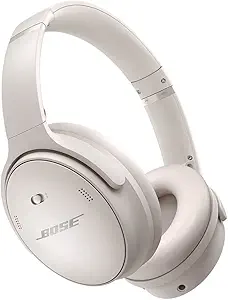
The QC45 earns attention because its strengths are plain. It is light, folds into a case, supports wired listening, charges over USB-C, and focuses on comfort instead of showroom tricks. That mix matters when you are sitting at Gate C17 in Atlanta, riding a bus in Chicago, or trying to finish a call while a neighbor’s lawn crew is working outside.
How noise cancelling headphones earn their keep on routine days
Noise cancelling headphones are not only for flights. They are useful in dull, repeated situations where low noise wears you down. A dishwasher in a small apartment. A window AC unit. A coworker taking speakerphone calls. The QC45’s Quiet mode is built for that kind of steady background sound, while Aware mode lets outside sound in when you need to hear an announcement or answer someone near you. Bose describes the QC45 as using microphones to measure and react to outside noise, with Quiet and Aware modes as the two main listening choices.
This matters because many people buy ANC for dramatic silence and then use it for softer daily relief. The best moment may not be on a cross-country flight. It may be the hour after dinner when the house is loud and you need your brain back.
There is a limit, though. Over-ear ANC does not erase every sharp sound. A barking dog, a dropped pan, or a nearby voice can still break through. The QC45 is better understood as a pressure reducer. It lowers the room enough for your music, podcast, or silence to sit in front.
That makes it useful for people who do not think of themselves as audio fans. A parent working near a playroom may use Quiet mode without playing music. A college student may wear it while reading in a dorm lounge. A night-shift nurse may use it before sleep while the rest of the house starts breakfast. Those are ordinary moments, but they are where this product earns its place.
Why comfort may beat extra app features
Wireless over-ear headphones often compete through app menus, sound modes, and sensor tricks. That can be useful, but comfort wins over time. A pair with more settings still fails if the headband pinches after forty minutes or the earcups run hot before your second meeting.
The QC45’s appeal is that it feels familiar in the best way. You get physical buttons, a folding frame, soft pads, and a layout that does not ask you to relearn the product every week. That is an underrated strength for older buyers, office workers, and anyone who wants gear that stays out of the way.
A newer flagship may offer richer controls or stronger personalization. Fair. But on a sale rack, the QC45 can make more sense for people who value comfort per dollar. That is the quiet trick of a clearance model: it stops trying to be the newest thing and becomes a tool.
Comfort also affects whether ANC feels relaxing or tiring. Some headphones clamp hard to create a sealed feeling. That can help isolation, but it can also make your jaw or temples feel trapped. The QC line has long leaned toward wearability, and that matters for long sessions. Two hours in, the lighter-feeling product often wins.
Battery, Calls, and Sound: The Honest Trade-Offs
This is where the deal needs clear eyes. The QC45 is not a perfect headphone hiding under a clearance sticker. It is a mature pair with known strengths and known limits. That is good news if you know what you are buying, because surprises are what ruin tech deals.
Battery life is enough, but not class-leading anymore
Bose’s QC45 page lists 22 hours of battery life, while Amazon listings often mention up to 24 hours of play time and a 15-minute quick charge that can provide several hours of listening. In normal American use, that means a workweek of mixed listening for some people and two or three travel days for others.
That is fine. It is not amazing now.
Plenty of newer wireless over-ear headphones push longer battery claims. Yet battery life is only one part of ownership. If you charge headphones at your desk every few days, 22 to 24 hours may be plenty. If you forget chargers, take long trips, or share headphones with family, longer-running rivals may suit you better.
The sneaky issue with clearance stock is age. A sealed older unit can still have a battery that has spent time sitting in a warehouse. That does not mean it is damaged, but it does make the return window more valuable. Charge it, run it, and watch how fast the battery falls during your first week.
A simple home test can save frustration. Charge the headphones fully, play music at a normal volume with ANC on, and note the battery after several hours. You do not need a lab setup. You need a rough sense that the unit behaves like a healthy pair. If it drops fast or shuts off early, exchange it before the return window closes.
Calls are good enough for life, not a studio mic
The QC45 can handle Zoom meetings, FaceTime calls, and quick work check-ins. It is not a broadcast headset, and it should not be judged like one. The microphones are meant to keep your voice usable while reducing outside noise. That is different from making you sound like you are in a treated room.
A remote worker in a kitchen office will likely be happy. A podcaster recording paid interviews should use a separate mic. That difference sounds obvious, yet it is where many buyers overspend or buy the wrong tool.
Sound follows the same logic. The QC45 aims for easy listening, clean vocals, and low-fatigue travel sound. It is not the pair for someone chasing studio detail or heavy EQ control. It is the pair for someone who wants Taylor Swift on a plane, a business podcast on the train, and a quiet head during spreadsheet work.
The non-obvious trade-off is that a calmer sound can be a strength. Some headphones impress in a five-minute store demo because the bass hits hard or the treble sparkles. After three hours, that same tuning can become tiring. A smoother profile may feel less exciting at first and still be easier to live with.
Who Should Buy Now and Who Should Wait
The smartest clearance shopper knows when to walk away. A discount can make a strong product better, but it cannot change your needs. The QC45 is best for people who want comfort, reliable ANC, simple controls, and a lower price than current premium models. It is weaker for shoppers who want the newest Bose features or the longest battery rating in the category.
The right buyer wants calm more than bragging rights
Buy now if your main goal is quieter daily life. That includes frequent flyers, college students, apartment dwellers, commuters, and remote workers who spend hours in shared spaces. A good pair of noise cancelling headphones can feel less like a gadget and more like a boundary.
This buyer does not need the newest model name. They need a fair return policy, clean condition, and a price low enough to make the older design feel smart. That is where a practical electronics buying guide can help readers compare wants against real use rather than marketing pressure.
There is also a gift angle. The QC45 can be a safer gift than many audio products because the comfort-first design works for a wide range of people. For a parent who travels, a college freshman, or someone building a work-from-home setup, it feels useful right away. No long learning curve.
The deal becomes stronger when the buyer has one main pain point. If the pain point is airplane noise, shared housing, or long meetings, the QC45 fits. If the pain point is wanting every new audio feature, it does not. A sale should solve a problem, not create a reason to shop again in three months.
The wrong buyer should spend elsewhere
Do not buy because the sale banner makes the deal feel urgent. Skip it if you need premium spatial features, the newest Bose app tools, stronger water resistance, or long battery life above all else. Also skip listings with vague condition notes, missing return details, or seller names that do not inspire trust.
A clearance Bose headphone deal should not feel like gambling. The more unknowns you accept, the lower the price needs to be. A minor cosmetic mark on a certified refurb may be fine. A used pair with tired pads, no case, and a weak return policy should cost far less.
For comparison shopping, readers can build a short list using a wireless headphone comparison checklist. Put the QC45 beside newer QuietComfort models, Sony WH-series options, and budget ANC pairs. Then ask one plain question: which one would you still want after the sale ends?
The answer may surprise you. Some shoppers will pick the cheaper older Bose because it covers the daily basics with less fuss. Others will see that a newer model is worth the extra money for longer support and fresher battery stock. Both choices can be smart. The mistake is buying before you know which shopper you are.
Conclusion
A clearance drop can make older tech feel new again, but only when the product still fits the way people live. The QC45 does. It gives U.S. shoppers a comfort-first path into premium ANC without chasing the highest shelf. The catch is that buyers need to treat the listing like part of the product. Condition, warranty, seller quality, and return rules decide whether the price is a score or a headache. For anyone who wants simple controls, soft earcups, steady noise control, and travel-friendly design, Bose QuietComfort 45 can still be the right call at the right price. The smartest move is slow by a few minutes: check the seller, scan the return terms, and think about where you will wear them most. That small pause can separate a keeper from a dusty drawer purchase. Do not buy the banner. Buy the pair that will make your commute, flight, study block, or workday calmer. Check the details, compare the real total, and move only when the deal earns your trust.
Frequently Asked Questions
How much should I pay for QC45 headphones on clearance?
A strong U.S. clearance price usually sits well below the original $329 launch-level pricing. New units near past low-price territory deserve attention, while refurbished pairs should cost less. Always compare seller, warranty, return window, and accessories before judging the number.
Is the QC45 still worth buying in 2026?
Yes, for comfort, simple controls, and strong everyday ANC at the right discount. It is less appealing for shoppers who want the newest app features, premium spatial audio, or longer battery claims from newer rivals.
Are refurbished QC45 headphones a safe buy?
They can be safe when sold by a trusted retailer or manufacturer-backed program with a clear warranty and return window. Avoid vague marketplace listings. Test battery, Bluetooth, microphones, charging, and earcup condition as soon as they arrive.
What is the difference between Quiet and Aware mode?
Quiet mode reduces outside noise so you can focus on music, calls, or silence. Aware mode lets surrounding sound in, which helps when you need to hear gate announcements, traffic, coworkers, or someone speaking nearby.
Are QC45 headphones good for flights?
Yes, they are well suited for flights because they are light, fold into a case, and reduce steady cabin noise. They will not erase every sound, but they can make long trips feel less draining.
Do these headphones work for Zoom and phone calls?
They work well for ordinary calls, video meetings, and remote work check-ins. They are not a replacement for a dedicated recording microphone. For office and home use, the call quality should satisfy most buyers.
Should I buy QC45 or newer Bose QuietComfort headphones?
Buy QC45 when the discount is deep and your needs are simple. Choose newer Bose models when you want updated features, longer support runway, or a fresh retail warranty. The better choice depends on the final price gap.
What should I check right after buying a clearance pair?
Inspect the ear pads, case, cables, charging port, Bluetooth pairing, button response, ANC modes, microphone quality, and battery drain. Do this before the return window closes. A low price loses its value if problems appear too late.