Specialized Stumpjumper EVO Carbon Bike Selling Out at Every Single Dealer
A bike disappearing from shop floors tells you more than a stock notice ever could. Riders are chasing the Stumpjumper EVO Carbon because it sits in that sweet, messy middle between a playful trail machine and a park-day weapon. For U.S. buyers, that matters. A rider in Bentonville, a weekend dad in Colorado Springs, and a shop regular in Asheville may all want one bike that climbs without drama, handles steep lines, and still feels alive on tame local loops. That is why dealer scarcity feels so loud. It is not always proof that every rack in America is empty. It is a sign that the best sizes, build kits, and colors move fast. For buyers tracking drops, shop alerts, and trail gear news, independent cycling market updates can help frame the rush without falling for panic talk. The real question is not only why this model is hard to find. It is whether you should chase one now, wait for the next shipment, or buy a close alternative that fits your trails better.
Why the Stumpjumper EVO Carbon Feels Scarce Across U.S. Shops
Scarcity in the bike world is rarely clean. One dealer may have an S2 frame in a color nobody wants, while the next shop is missing every S3 and S4 build. Online inventory can lag behind the floor by a day. A demo bike may show as available, then be held back for a local customer. That is why the phrase “sold out everywhere” often means something more specific: the right size at the right price is gone. The most honest way to read the market is by size, build, and region, not by one broad stock label.
Dealer floors are losing the middle sizes first
Most U.S. riders shopping this bike are not hunting an odd corner of the size chart. They want the common middle sizes, often S3, S4, or S5, depending on height and reach taste. Those frames vanish first because they cover the widest group of riders. A six-foot rider in Phoenix may prefer S4 for a lively feel, while a rider the same height in Vermont may go S5 for high-speed roots and wet rock.
That choice matters because Specialized’s S-Sizing system is less tied to seat tube length than old-school sizing. You can size by ride feel, not only by inseam. That freedom is a gift, but it also crowds buyers into the same bands. A shop can have bikes “in stock” and still have nothing useful for you. The best size is not the one left over after everyone else picked.
There is also a timing issue that buyers miss. Mountain bike inventory often moves around spring trail openings, tax-refund season, and late-summer sale windows. A shop in Denver may burn through popular sizes before a high-country riding trip rush. A shop in Georgia may sell early because its riding season starts sooner. The same bike can feel gone in one region and ordinary in another. Specialized’s U.S. Stumpjumper page shows a broad current range, including newer Stumpjumper 15 builds and sale pricing across several models, but that does not mean each local store has the exact carbon build a rider wants on the floor.
The used market is no longer a secret backup
Used bikes used to be the quiet answer. You missed the new drop, so you watched local listings and grabbed a clean frame from a rider who changes bikes every spring. That still works, but the easy deals are thinner now. Riders know what they own. Shops know what trades are worth. Online sellers compare against national listings before posting a price. A clean bike with the right size can move in hours, not weeks.
The carbon frame makes this even more sensitive. A used aluminum frame can show dents and scrapes in a way most buyers understand. Carbon asks for more trust. You need close photos around the downtube, chainstay, head tube, shock mounts, and bottom bracket shell. You also need a seller who can explain service history without turning vague. If the seller cannot answer when the fork was last serviced, assume the cost is coming to you.
The odd insight is this: a used deal can become more expensive than a new bike if the suspension, drivetrain, and bearings need work right away. A lower sticker price does not mean a lower first-month cost. On a full-suspension mountain bike, the purchase price is only the opening handshake. Budget for a shock service, fresh sealant, tires, brake pads, and a shop inspection before calling any used listing a steal.
What Makes Riders Hunt This Carbon Trail Bike
The demand is not random hype. Riders want a carbon trail bike that feels calm when the trail points down but does not punish them on the way back up. That is a hard mix to get right. Too much downhill bias can feel dull on local singletrack. Too much trail-bike manners can feel nervous when rocks get bigger and speeds rise. This model earns attention because it does not ask many riders to pick one mood. It lets a buyer dream about Moab and still ride Tuesday night laps close to home.
The frame matters more than the parts list
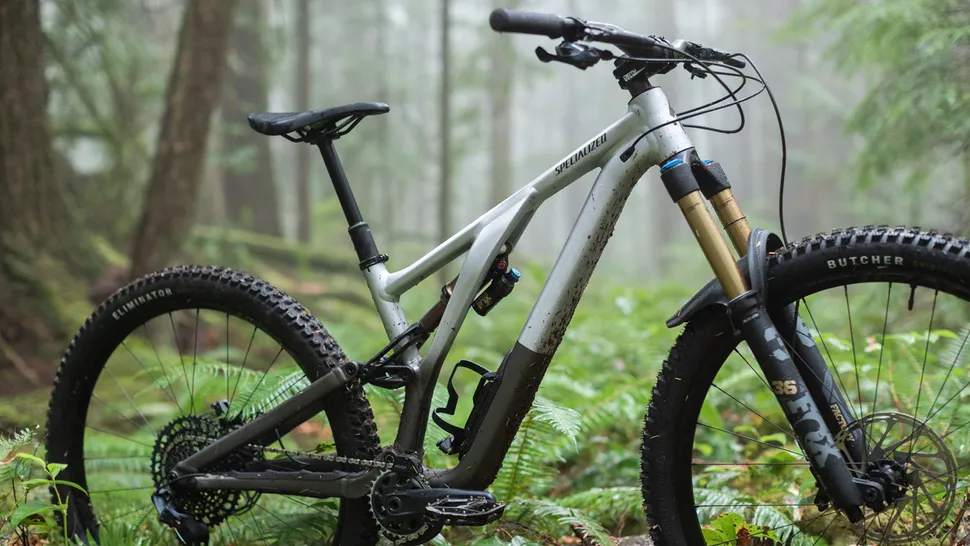
Many buyers focus first on drivetrain letters, fork decals, and brake tiers. That makes sense. Parts are easy to compare. Still, the frame is the part you live with longest. OutdoorGearLab’s review of the EVO Comp notes the FACT 11m carbon frame, 150mm FSR suspension layout, sidearm frame shape, and SWAT down-tube storage, which are frame-level choices rather than quick spec-sheet decoration.
That is why a smart buyer may choose a lower build on the right frame over a flashier parts kit on the wrong platform. Wheels can be upgraded. Brakes can be swapped. Tires wear out. A frame that fits your riding style keeps paying you back each ride, even after the first parts have been replaced. This is where experienced riders get calm. They know a drivetrain badge matters less after the first muddy month.
Think about a rider in western North Carolina who pedals Pisgah one weekend and flow trails near Charlotte the next. The same bike has to handle slow ledge moves, root webs, wet leaves, and machine-built berms. A stiff, light carbon chassis helps, but only if the suspension tune and geometry keep the bike from feeling wooden. That balance is the draw. It is not about owning the fanciest object in the parking lot. It is about having a bike that keeps its shape under you when the trail turns ugly, then still pops off a small side hit on the way home.
Adjustable geometry keeps one bike from feeling locked in
The EVO’s strongest sales pitch is not one magic setting. It is the ability to change the attitude of the bike. Specialized’s own geometry finder lets riders pick head-angle settings, bottom-bracket height, and wheel setup choices for the Stumpjumper EVO platform.
That adjustability has a real-life use. A rider in Utah may run the bike slacker for steep sandstone rolls. A rider in Wisconsin may want a higher bottom bracket to reduce pedal strikes on tight, punchy climbs. A bike park day may call for one setup, while winter home trails may call for another. Those changes do not turn the bike into a different species, but they can shift your confidence at the exact moment you need it.
The counterintuitive part is that most owners will not change settings every week. They may change them twice, settle in, and leave the bike alone. That is not a failure. The value is knowing you can tune the bike toward your trails instead of buying a whole new machine when your riding grows. A carbon trail bike with room to adapt can stay relevant across several seasons, even as your local trail system changes.
How to Buy Without Paying Panic Money
When a Specialized mountain bike starts feeling scarce, buyers can get jumpy. That is when mistakes happen. Someone pays too much for the wrong size. Someone buys a color they hate. Someone skips a dealer relationship and misses the next shipment by one phone call. The best move is slower than the market wants you to be. A calm buyer keeps more power. The goal is not to win the fastest checkout. It is to buy the bike you would still choose after the rush fades.
Call shops like a rider, not a shopper
A weak call sounds like this: “Do you have it?” A better call gives the shop what it needs. Tell them your height, current bike, preferred size range, color flexibility, and whether you can put down a deposit. Ask if any incoming bikes are already allocated. Ask whether a sister store has one. Ask if they can check the dealer network.
This is where local shops still beat a search page. A good employee may know that an S4 is arriving next week, but the web listing has not updated. They may know a customer backed out of a hold. They may know the demo bike will be sold at season’s end. Those details do not always reach a product page. Treat the person on the phone like a riding guide, not a vending machine.
Keep a simple note with shop names, dates, sizes, colors, and staff contacts. It feels old-fashioned. It works. In a tight market, the buyer who follows up cleanly often beats the buyer who sends five vague messages. Use trail bike setup basics to build your fit and parts checklist before those calls, so the shop hears a rider who knows what matters. A clear request is easier to remember when the next shipment lands.
Check build level before chasing paint
Paint gets people. A satin finish or limited color can make a rider forget the parts attached to it. That is risky. You need to check suspension level, brake power, wheel quality, drivetrain range, dropper length, tire casing, and warranty path before getting attached. A great frame with a poor setup can still feel wrong on the first descent.
Vital MTB’s product guide for a 2024 EVO Expert notes features such as mixed-wheel compatibility, adjustable geometry with six settings, Horst Link suspension, and SWAT down-tube storage. Those frame traits may matter more than whether one build has a slightly nicer derailleur.
Look at brakes with extra care. A bike this capable invites faster riding, rougher trails, and longer descents. Weak brakes turn a dream build into a nervous one. For U.S. riders near places like Angel Fire, Snowshoe, or Northstar, brake feel is not a small detail. It shapes how long you can ride before your hands start begging. A better color will not save a bad braking setup.
Where the Bike Fits in Modern U.S. Trail Riding
The American trail map has changed. More towns now have purpose-built flow trails, shuttle days, public bike parks, and rocky backcountry loops within weekend range. That mix creates demand for one bike that can handle several moods. A Specialized mountain bike with enduro flavor but trail-bike manners lands right in that gap. Still, the best bike on paper can be wrong for the dirt outside your garage. The rider, not the catalog, gets the final vote.
Local terrain decides if the EVO label makes sense
A rider in Florida may not need the same bike as a rider in Bellingham. That sounds obvious, but buyers ignore it all the time. They fall for the most capable option, then wonder why their weekday loops feel flat. More travel and slacker geometry can add confidence, but they can also mute easy trails.
The EVO label makes the most sense when your trails have enough speed, pitch, or roughness to wake the bike up. Think rocky descents in Pennsylvania, desert drops in Arizona, chunky routes near Lake Tahoe, or steep trail centers in the Pacific Northwest. On that terrain, the bike has room to breathe. It rewards a rider who wants to push lines instead of tiptoe down them.
On smoother local loops, the smarter move may be a lighter Stumpjumper build, a shorter-travel trail bike, or even a hardtail with good tires. That does not make the EVO too much bike. It means your terrain is the boss. A carbon trail bike should match your dirt, not your wish list. If your hardest ride is a flat after-work loop, extra capability can turn into extra weight, extra tire drag, and less spark. Buying less bike can be the braver call.
The smarter buy may be the one you can service nearby
A bike is not only a purchase. It is a relationship with service. Suspension needs care. Pivots need attention. Tires and brake pads become part of your monthly life if you ride often. Buying from a faraway seller can work, but a local dealer can save your season when something creaks before a trip. That matters more than people admit while comparing prices at midnight.
Specialized has a wide dealer and support network, and its brand site points riders toward stores for sales, service, demos, and fits. That support matters when you are buying a high-end full-suspension mountain bike, not a simple town cruiser.
There is also a comfort factor. A shop that knows your terrain can help pick tires, set sag, trim bar width, and choose frame settings. Those small changes make the bike feel personal. The best version of this machine is rarely the one rolled out of the box. It is the one tuned after two real rides and one honest shop conversation. Pair the decision with mountain bike gear planning so your budget covers helmet, pedals, service, and trail tools too.
Conclusion
A scarce bike can make every buyer feel late, but rushing is the easiest way to choose wrong. The Stumpjumper EVO Carbon earns attention because it answers a need many U.S. riders have: one serious trail bike that can climb, descend, adapt, and still feel fun on mixed terrain. Yet demand should not erase judgment. Size matters more than speed. Dealer support matters more than a shiny photo. A clean service path matters more than saving a few dollars on a risky used frame. The better move is to treat the shortage as a signal, not a command. Call shops, know your fit, compare builds, and stay honest about your home trails. Your best protection is patience backed by clear fit notes, dealer conversations, and a hard look at the trails you ride most. If the right one appears, act with confidence. If it does not, wait for the bike that fits your riding instead of buying the story around it.
Frequently Asked Questions
Why is this Specialized bike hard to find in some U.S. shops?
Middle sizes, popular colors, and higher-value builds tend to sell first. Inventory also varies by dealer, region, and model year. A store may show one bike available online while the size most riders want is already reserved or sold.
Is the carbon version worth paying more for?
Yes, for riders who care about frame feel, weight, storage, and long-term ownership. The frame is the foundation. Parts can change over time, but a good carbon chassis keeps its value when the bike fits your terrain and style.
What size should most riders look at first?
Start with Specialized’s S-Sizing chart, then compare reach against your current bike. Many riders can fit two sizes. Choose the smaller size for a playful ride and the larger size for added stability at speed.
Should I buy used if dealers are out of stock?
Used can be smart, but inspect the frame closely and ask for service records. Carbon damage, worn suspension, tired bearings, and old tires can erase the savings fast. A safe used buy is clean, documented, and priced with repairs in mind.
Is this bike too much for normal local trails?
It can be too much for smooth, flat loops. It shines on rougher trails, steeper descents, rocky routes, and bike-park days. Riders on mellow terrain may enjoy a lighter trail bike more, especially for weekday pedaling.
What should I ask a dealer before placing a deposit?
Ask about incoming size, color, build level, deposit rules, refund terms, assembly, warranty setup, and first service. Also ask whether the bike is boxed, on the floor, or already allocated to another buyer.
Are newer Stumpjumper 15 models replacing older EVO demand?
They can shift demand, especially as riders compare travel, shock design, build kits, and pricing. Some buyers still prefer the older EVO feel or a certain carbon build. Others may choose the newer line if inventory and support are stronger.
What upgrades should I budget for after purchase?
Pedals, tires, brake pads, tubeless supplies, frame protection, and suspension setup are the first likely costs. Heavier riders or bike-park riders may also want stronger tires or brake rotors before chasing drivetrain upgrades.