Salomon Speedcross 6 GTX Waterproof Trail Shoe Restocking After Huge Demand
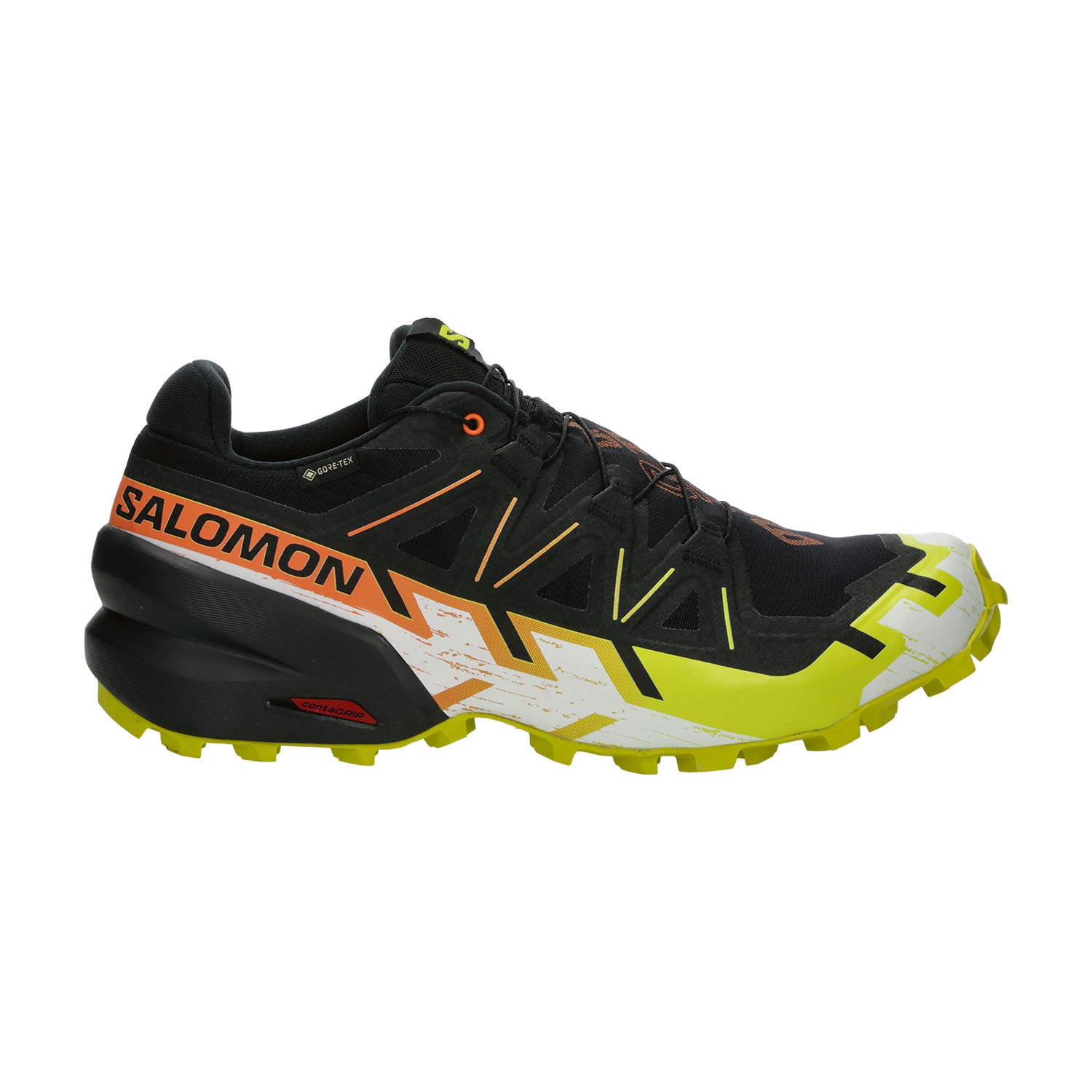
Trail runners know the small panic that hits when your size disappears before the weather turns ugly. The Speedcross 6 GTX has landed back on many watchlists because it answers a clear need: a waterproof trail shoe made for rain, sloppy ground, steep grass, and soft dirt rather than smooth park paths. For U.S. runners who deal with Appalachian mud, Pacific Northwest drizzle, Colorado spring thaw, or Northeast shoulder-season slop, this is not a casual sneaker restock. It is a chance to grab a shoe that has earned its following through grip, foot hold, and cold-weather comfort. Salomon lists the GORE-TEX model with waterproof protection, a 10 mm drop, high foot protection, and a design aimed at wet and mud-heavy conditions. For readers tracking outdoor gear release coverage, trail product demand updates often matter most when a proven model returns before peak season. The smart move is not to buy blindly. It is to know where this shoe shines, where it feels wrong, and whether the restock matches the terrain you run.
Why the Speedcross 6 GTX Restock Matters for Mud-Season Runners
A restock only matters when the product solves a problem shoppers already feel. Here, the problem is simple: many trail shoes feel fine on packed dirt, then lose their nerve when the surface turns slick, tilted, or chewed up by rain. The GORE-TEX version of this Salomon model speaks to the runner who checks the forecast, sees dark clouds, and still wants to get out. That is a narrow buyer, but a loyal one.
Demand Comes From Bad Weather, Not Hype Alone
A lot of shoe demand comes from colorways and social media, but this model has a different pull. It serves the kind of trail day that makes normal road shoes feel silly. Think of a Saturday run outside Portland after steady rain, or a muddy climb in Vermont where every step tries to slide backward.
That is where trail running grip stops being a marketing phrase and becomes the whole reason you stay upright. The shoe’s Mud Contagrip outsole uses deep, sharp lugs built for soft, loose, rugged, and uneven ground, according to REI’s technical listing. REI also lists GORE-TEX waterproofing, Quicklace closure, EnergyCell+ midsole foam, and a 1 lb. 7.2 oz. men’s pair weight.
The non-obvious part is that demand does not mean every runner needs it. A runner in Phoenix who spends most miles on dry hardpack may hate the same aggressive bite that a runner in western Pennsylvania praises after a storm. Restock demand comes from a specific crowd: people who already know what slipping feels like.
Restocking Timing Favors Prepared Buyers
The best time to buy mud-ready footwear is rarely the week you need it. By then, sizes are gone, color options shrink, and returns get messy. U.S. shoppers often wait until the first rough-weather weekend, which is exactly when everyone else remembers their old pair has bald lugs.
That is why this restock deserves attention before peak use. A waterproof trail shoe can sit in the closet for a month and still save your first messy run of the season. The better purchase window is often boring. No rain drama. No race panic. No last-minute cart refresh.
Still, do not treat restocking as proof of universal fit. Salomon trail running shoes often lean toward a secure, performance feel, and that can bother runners who need extra forefoot room. Buy because the terrain matches, not because the internet made the shoe feel scarce.
The Fit, Ride, and Traction Behind the Demand
The shoe’s reputation starts underfoot, but it does not end there. A trail runner can have monster lugs and still fail if the upper slides, the heel lifts, or the midsole beats up your legs. This model works because its parts point in the same direction: hold the foot, bite soft ground, and keep water out during shorter harsh-weather efforts.
Aggressive Lugs Change How the Shoe Feels
Deep lugs create confidence on mud, grass, and loose soil, but they also change the ride. OutdoorGearLab called the regular Speedcross 6 a traction specialist and highlighted its grip on soft dirt, mud, and steep grass, while warning that the same lug pattern can feel cleat-like on hardpack. That is the trade many buyers miss.
On a soft trail, those lugs sink and release. The shoe feels like it has teeth. On dry crushed gravel or long pavement connectors, the same teeth can feel tall and firm. It is not broken. It is doing the job it was built to do.
This is why the model makes more sense as a condition-specific tool than a one-shoe answer. Keep a smoother daily trail shoe for dry loops. Reach for this pair when rain, thaw, leaf slime, or soft ground changes the rules. Counterintuitive, maybe, but owning a more specialized shoe can make your other shoes last longer too.
The Upper Matters as Much as the Sole
Waterproofing gets the headline, yet the upper and closure decide whether the shoe feels sharp or sloppy. REI lists SensiFit construction for foot hold and Quicklace for one-pull tightening. Those details matter when your hands are cold, your socks are damp, and your laces would otherwise turn into a wet knot.
The fit also shapes who loves the shoe. A snug midfoot can feel secure on off-camber ground, where your foot might slide inside a wider platform. That same snugness can annoy runners with high-volume feet. Try it with the socks you plan to wear in winter or shoulder season, not thin summer socks.
Gore-Tex trail shoes also run warmer than open mesh options. That is a feature in cold drizzle and a flaw on humid July climbs. The best buyer understands that waterproof does not mean magic. It means better protection until water comes over the collar, sweat builds, or the run lasts long enough for moisture management to matter more than water blocking.
Who Should Buy This Waterproof Trail Shoe Now
The restock makes the most sense for runners who can name the trail problem they want solved. “I need grip on sloppy hills.” Good reason. “I want the most popular Salomon because everyone is talking about it.” Weak reason. This shoe asks for a terrain match, and when it gets one, it can feel almost unfair in the right conditions.
Best Uses Across U.S. Trails
This model fits runners in places where the ground has mood swings. In the Pacific Northwest, it makes sense for forest trails that stay damp for weeks. In the Northeast, it suits shoulder-season loops where leaves hide slick roots. In the Midwest, it can help on muddy singletrack after heavy rain. In the Rockies, it can work during spring melt when dirt and snowmelt mix into a greasy mess.
A waterproof trail shoe also makes sense for hikers who move fast but do not want a boot. The low cut keeps it lighter than many hiking options, while the outsole gives bite on soft climbs. It will not replace ankle support for backpacking loads, but for quick local trail missions, it has a clear place.
The surprise is that casual wear can enter the picture. OutdoorGearLab noted comfort beyond trail use for the regular model, including Quicklace convenience and all-day wear. That does not mean you should wear down the lugs on sidewalks, but it explains why buyers reach for it on wet dog walks, muddy sidelines, and quick errands during foul weather.
Who Should Skip the Restock
Runners on dry hardpack should be careful. The more packed and flat your routes are, the less benefit you get from deep lugs. You may feel the outsole more than the trail. That can make the ride seem harsh even when the shoe performs well in its intended setting.
Long-distance summer runners should also pause. Waterproof membranes help in cold rain, wet grass, and shallow puddles, but they can trap warmth. WIRED’s 2026 waterproof running shoe guide notes that waterproof shoes can protect against rain, wet grass, snow, and smaller puddles, but water can still enter if it rises over the collar. The same guide also points out breathability and heat trade-offs.
Wide-footed buyers should try before stocking up. Some runners love the locked-in Salomon feel. Others feel squeezed near the forefoot. Demand does not change anatomy. The right fit still beats the right brand.
How to Choose Size, Color, and Care Before It Sells Out
A restock window can make shoppers rush, but trail shoes punish rushed decisions. The pair that looks perfect online can feel wrong once socks, terrain, and weather enter the story. Slow down for the decisions that matter: size, use case, retailer policy, and care plan. Those four choices decide whether the shoe becomes a trusted winter partner or an expensive closet regret.
Sizing and Buying Checks Before Checkout
Start with your normal trail-running size, then think about sock thickness. If you plan to wear thicker wool socks, leave enough room at the toes for descents. Your foot moves forward on steep downhills, and a snug waterproof upper has less give than airy mesh.
Check the retailer’s return policy before you chase a rare color. REI’s page lists the men’s model at $170 and shows customer review volume and fit feedback sections, which can help shoppers compare sizing notes before purchase. A few minutes of reading buyer feedback can save a return.
Use this quick test when the box arrives:
- Try both shoes late in the day, when feet run larger.
- Wear your trail socks, not thin dress socks.
- Walk downhill on stairs to test toe space.
- Tighten the Quicklace once, then again after five minutes.
- Check heel hold without crushing the midfoot.
A small pressure point in the house becomes a loud complaint on mile six. Do not talk yourself into pain because your size was hard to find.
Care Keeps Waterproofing Honest
Waterproof footwear works better when you clean it. Mud left on the upper can reduce breathability and break down the surface treatment faster. GORE-TEX recommends brushing off loose dirt, using lukewarm water with a small amount of liquid detergent, drying at moderate temperatures, avoiding direct heat, and reapplying a water-based DWR when water stops beading. Official GORE-TEX footwear care guidance gives the full care steps.
Do not throw the shoes in a hot garage corner after a soaked run. Pull the insoles, loosen the closure, and let air move through them. A gentle boot dryer can help, but heat abuse can shorten the life of adhesives and materials.
Care also affects value. Salomon trail running shoes are not cheap, and aggressive lugs earn their keep only if you preserve them for the right terrain. Wear them on mud, sloppy climbs, wet grass, and rough dirt. Save pavement miles for another pair. Your future self will notice.
For nearby content planning, connect this review with best trail running shoes for muddy routes and how to choose waterproof running shoes. Those two internal links support the buyer journey without pulling readers away from the restock decision.
Conclusion
Restocks create urgency, but the smarter question is fit for purpose. This model deserves attention because it answers a real trail problem: soft ground that turns ordinary traction into a gamble. It gives U.S. runners a strong option for rain-soaked woods, thawing dirt, slick hills, and cold shoulder-season miles.
That is why the Speedcross 6 GTX should be seen less as a trend purchase and more as a terrain-specific tool. Buy it because your routes punish weak outsole design. Buy it because you need water protection for shorter wet runs. Buy it because secure foot hold matters when the trail tilts sideways.
Skip it if your miles live on dry hardpack, warm pavement, or wide-foot comfort above all else. Demand may explain the restock, but your terrain should make the final call. Choose the shoe that matches the ground beneath you, and the purchase will feel right long after the buzz fades.
Frequently Asked Questions
Is this Salomon waterproof model good for muddy trail running?
Yes, it suits muddy trail running better than most smoother trail shoes because the outsole focuses on soft-ground bite and mud release. It works best on loose dirt, wet grass, forest trails, and sloppy climbs where shallow lugs can slide.
Does the GORE-TEX version feel hotter than regular trail shoes?
Yes, it can feel warmer because waterproof membranes block more airflow than open mesh uppers. That helps in cold rain, wet grass, and shoulder-season conditions, but it can feel less comfortable during humid summer runs or long efforts.
Should I size up in this Salomon trail shoe?
Some runners may need a half size up, especially with thicker socks or wider feet. The safest approach is to test your usual size first, then check toe room on downhill movement. A secure fit should not pinch.
Is this shoe good for hiking as well as running?
Yes, it can work for fast day hikes, muddy local trails, and light outdoor use. It is not a full hiking boot, so it will not offer the same ankle structure or load support for heavy backpacking trips.
How long do the aggressive lugs usually last?
Lug life depends on surface choice. Soft dirt and mud preserve the outsole better than pavement or dry rock. Frequent road walking can wear the tall tread faster and reduce the grip that makes the shoe worth buying.
Can water still get inside a waterproof trail shoe?
Yes, water can enter over the collar during deep puddles, creek crossings, or heavy splashing. Waterproof uppers help with rain, wet grass, snow, and shallow puddles, but low-cut shoes cannot seal the ankle area.
Is this a good everyday sneaker?
It can work for wet errands and muddy dog walks, but it is not ideal as a daily pavement sneaker. The lugs feel aggressive on hard surfaces, and steady sidewalk use can wear down the outsole faster.
What should I check before buying during a restock?
Check size availability, return policy, sock thickness, color preference, and where you plan to run. A rare restock can push fast decisions, but the right terrain match matters more than grabbing the first pair in stock.