
Hoka Bondi 9 Maximum Cushion Road Shoe Announced With Even Softer Midsole
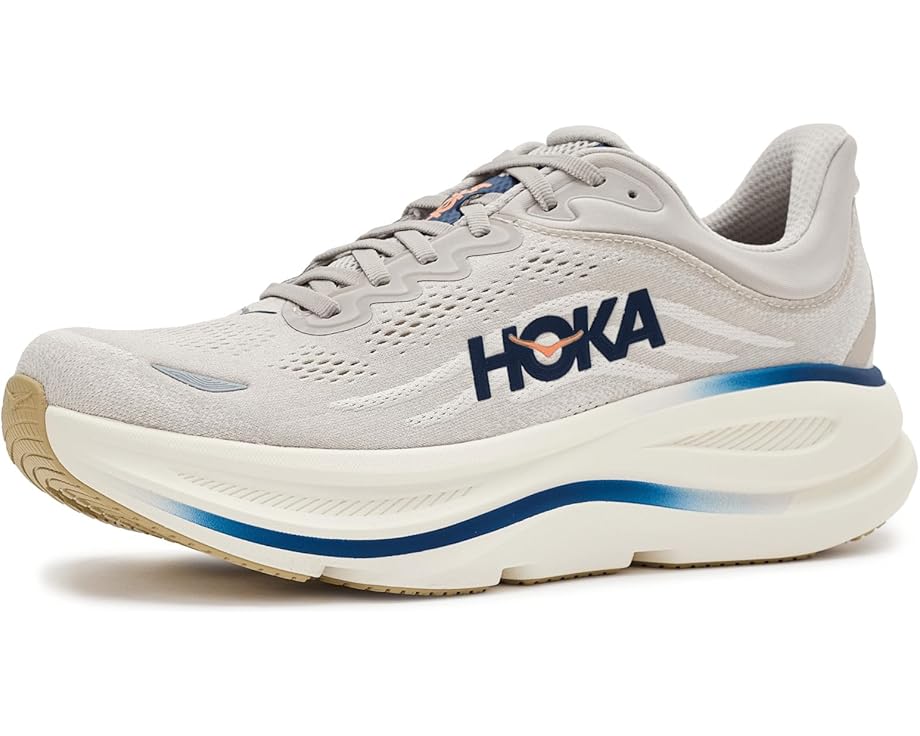
A soft shoe is not always the same as an easy shoe. Runners in the United States know that after a cold sidewalk run, a long shift on tile, or a slow Sunday recovery loop, comfort has to do more than feel pleasant in the store. Hoka Bondi 9 enters that conversation as a maximum cushion road shoe built around a softer midsole, a higher stack, and a more secure ride for long, unhurried miles. HOKA’s official product details list the model with a 5 mm heel-to-toe drop, a 10.50 oz men’s weight, and features such as a knit upper, premium foam midsole, rearfoot-focused Active Foot Frame, and Durabrasion rubber outsole. That matters because many runners are not chasing a personal best every Tuesday. Some want a daily running shoe that keeps legs calmer between harder sessions. Some want a walking shoe that does not feel flat after lunch. Others want one pair that can handle easy road miles, errands, airport terminals, and long days at work. The new Bondi update is not trying to be the lightest shoe on the wall. It is trying to make comfort last.
Why the Softer Midsole Changes the Ride
The headline is softness, but the real story is control. A softer midsole can feel wonderful for ten steps and sloppy after two miles if the shoe does not guide the foot. That is why this release is worth a closer look. HOKA did not only add foam; it shaped the platform around that foam so the shoe can stay friendly on pavement without turning wobbly. In a market full of tall shoes promising pillow landings, the smarter question is how the shoe behaves when your form fades. Heel strikers, heavier runners, and walkers with long days on concrete all tend to expose weak foam faster than a quick store try-on can. The hidden win is not a softer press under the thumb. It is a ride that still feels orderly after your stride gets tired, especially during the final mile when small instabilities start to feel loud.
Cushion that protects without turning dead
The Bondi line has always carried a big promise: less harshness underfoot. This version leans into that promise with supercritically foamed EVA, a foam update HOKA says is lighter and more resilient than the older setup. The company also says it added 2 mm of stack height and updated the collar and upper for a more accommodating fit.
Here is the small catch. More cushion is not always more comfort. If a midsole sinks too much, your calf and ankle can work harder because the shoe keeps stealing shape under your foot. The better target is a soft landing followed by a steady roll. That is where the new foam has the chance to win over runners who thought earlier Bondi models felt too firm but still want a shoe that behaves.
A runner in Phoenix doing easy dawn miles on concrete may notice this more than a treadmill runner. Heat, pavement, and slow pace all expose a shoe’s manners. A softer midsole should reduce the slap of each landing, while the broad base keeps the ride from feeling loose. That mix is not flashy. It is useful.
The rocker matters more than the first step
The first step in a running store can fool you. A shoe may feel plush when you stand still, yet feel clumsy once your stride starts. The Bondi update uses HOKA’s smooth MetaRocker shape, which is meant to help the foot move from landing to toe-off with less drama. That is a big deal in a high-stack trainer because the shoe has more material to move through.
RunRepeat’s lab review found the shoe uses a moderate rocker rather than an aggressive one, and that choice fits its purpose: slower runs, recovery days, and walking comfort rather than speed work. A sharp rocker can feel exciting at first, but it can also push you forward when you are trying to jog easy. This shoe’s better trick is patience.
That is a non-obvious win. Many shoppers see a tall road shoe and expect bounce. They should be asking about rhythm. If the shoe helps you keep a relaxed pace without fighting the platform, it is doing its job. The softer midsole is the headline, but the roll is what makes the comfort usable. The best cushion disappears under you because your stride feels calmer, not because each step feels like a trampoline.
What Hoka Bondi 9 Means for American Road Runners
Most U.S. runners spend more time on roads, sidewalks, bike paths, and gym floors than on perfect rubber tracks. That daily surface mix punishes tired legs in a quiet way. The model’s value comes from how it handles those ordinary miles, not from how it looks in a launch photo. It should feel at home on suburban cul-de-sacs, school drop-off walks, urban lunch loops, and the long stretch of asphalt between a parking garage and an office door. The shoe also speaks to a bigger shift in running: many people now train for consistency, not drama, and consistency often starts with reducing the punishment of the surface beneath them. A shoe that helps you repeat the next easy day has more value than one that feels exciting once.
Easy miles are the natural home
This is not the shoe you grab for track repeats. It is the shoe you reach for when the schedule says thirty to sixty minutes easy and your legs still remember yesterday. The weight alone tells part of the story. HOKA’s U.S. product page lists the men’s model at 10.50 oz, while independent lab testing from RunRepeat measured its pair at 10.7 oz. That is not race-flat territory.
The better question is whether the weight bothers you at the pace this shoe is made for. At ten-minute miles, recovery jogs, or walk-run intervals, a few extra ounces can matter less than a calm landing. A heavier shoe can even feel more planted when the platform is wide and the upper holds well. The shoe may feel oversized in your hand, then more reasonable once the road starts passing under you.
Think about a runner in Chicago using the lakefront path after work. The goal may be to finish with fresher knees and less calf bite, not to feel springy at 5K pace. In that setting, a maximum cushion road shoe makes sense. It turns the hard ground into a softer, steadier surface.
Standing, walking, and work shifts count too
Running shoes do not live only on runs anymore. Nurses, teachers, warehouse staff, retail workers, and parents standing through weekend tournaments often buy max-cushion shoes because their day is one long endurance event. That is where a daily running shoe with deep cushioning can cross over. A shoe that feels dull for a tempo run may be the one you are grateful for at hour nine of a shift.
Still, a running shoe is not automatically a work shoe. The rocker that feels smooth on a walk may feel odd if you stand in one spot for hours. The tall stack may also make some people aware of height underfoot when stepping off curbs or moving fast through crowded places. Comfort has a shape, and not every shape fits every job.
The best test is plain. Wear it indoors on a clean floor for a short window, walk up stairs, stand at the kitchen counter, and check whether your heel feels centered. If the midsole feels soft but your foot keeps searching for balance, the fit is wrong for your day. A cushioned shoe should make you think less about your feet, not more.
Fit, Stability, and the Tradeoffs Behind the Plush Feel
A soft ride only works if the shoe fits your foot and your stride. This is where shoppers need to slow down. The new Bondi update may feel generous under the heel and midfoot, yet the forefoot shape can still decide whether you love it after mile three. That sounds minor until you are six miles into a humid Atlanta morning with swollen feet and no patience left for a tight toe box. It also matters for anyone using insoles, thicker socks, or orthotics, because small volume changes can turn a secure fit into pressure. The platform can protect you from the road, but it cannot fix a poor match between shoe shape and foot shape.
Wide base does not always mean wide fit
The shoe looks broad from the side and bottom. RunRepeat measured a wide platform, including a broad forefoot and heel, which helps explain the stable feel for a high-stack trainer. But platform width and toe-box space are not the same thing. A shoe can sit on a broad base while still feeling snug around the toes.
That difference matters for U.S. shoppers ordering online. If you have a narrow or average foot, the fit may feel secure. If your toes spread wide, or if you use thicker socks, you may need to try a wide size. Do not judge by the sole alone. Judge by whether your big toe, little toe, and forefoot can relax when you walk downhill. Downhill walking pushes the foot forward and reveals tightness that a flat hallway misses.
This is the quiet mistake many buyers make. They choose a max-cushion shoe for relief, then size it like a dress sneaker. Feet swell during long runs and long shifts. Give the forefoot room before deciding the shoe is wrong.
Stability comes from geometry, not stiffness alone
HOKA describes the shoe as having a rearfoot-focused Active Foot Frame for more supportive landings, along with a symmetrical cushion bed designed for neutral gaits. In plain English, the shoe tries to seat your heel inside the foam rather than stacking your foot on top of a narrow block.
That design choice is smart for a softer midsole. When foam gets taller and more forgiving, the sidewalls and base have to do more work. You may not notice that engineering when jogging straight on flat pavement, but you will feel it when turning a corner, stepping across a driveway lip, or slowing down at an intersection. A shoe can feel stable because it is firm, but it can also feel stable because it is shaped well.
Doctors of Running also noted that the outsole is meant for road, track, and smooth surfaces, not loose trail use where rocks can get caught in the grooves. That point should guide buyers. This is a road comfort tool. Asking it to act like a trail shoe misses the point and may make the ride feel less secure than it should.
How to Decide if This Daily Running Shoe Belongs in Your Rotation
The smartest way to shop this release is not to ask whether it is good. It is to ask where it fits. A shoe can be excellent in one role and clumsy in another. The new Bondi update looks best as the soft, steady member of a rotation, not as the only answer for every run. That is especially true for runners who already own a firmer trainer or a lighter shoe for workout days. Treat it like the couch of your shoe lineup: not where you do your fastest work, but where your body gets a break. A clear role also protects your money, because premium cushioning only pays off when you use it often enough. The wrong buyer will call it bulky after one workout. The right buyer will reach for it on the day their legs feel flat and the sidewalk feels mean.
Pair it with faster shoes, not against them
If you already own a light trainer for tempo work, this shoe can cover the other side of the week. Use it for recovery days, longer easy runs, relaxed walks, and tired-leg mornings. Save the quicker shoe for workouts where ground feel and turnover matter more.
This is where road running shoe comparisons can help you sort roles instead of chasing one perfect pair. The Bondi update should not need to beat a lightweight trainer at speed. That is not its lane. Its lane is reducing road bite when your body needs a kinder landing.
The counterintuitive part is that owning a heavier cushioned trainer may make your faster shoe feel better. When your easy days stay easy, your workout days can stay sharper. The shoe is not there to make every run exciting. It is there to keep the boring miles from wearing you down. A rotation works when each pair has permission to be specific.
Price makes sense only if the use case is clear
At launch, Business Wire reported a January 15, 2025 release and a $170 price for the model, while HOKA’s current U.S. page shows colors ranging from $140 to $175 depending on selection. That range puts it in premium trainer territory. You should expect more than a soft first impression.
For many buyers, the value comes from hours, not miles. A marathoner may use it for recovery runs. A hospital worker may use it for twelve-hour shifts. A walker may use it for daily loops on asphalt. Those are different jobs, but they share one need: comfort that does not collapse after the honeymoon period. Cost feels different when a shoe protects three runs a week and covers errands on the same weekend.
Before buying, compare your habits with the shoe’s strengths. If you run fast most days, look elsewhere. If you want ground feel, look elsewhere. If your week is full of slow pavement, tired legs, and long standing blocks, this softer midsole starts to make sense. For more buying context, see maximum cushion running shoe guides before locking in a size.
Conclusion
Comfort shoes often get judged too quickly. People press the foam with a thumb, take five steps on carpet, and decide whether the ride is soft enough. That misses the better question: can the shoe keep you moving without making your foot work around the cushion? The Hoka Bondi 9 answers that with more foam, a softer midsole, a broad platform, and a road-first shape that favors slow miles over speed. It will not suit every runner, and that is fine. The best buyer is someone who knows why they want cushion in the first place. Use it for recovery, walking, long workdays, and easy road efforts where comfort matters more than pace. Try the fit carefully, respect the shoe’s road limits, and judge it after movement, not standing still. A good comfort shoe should make ordinary miles feel less costly, not turn every run into a performance claim. That is the promise worth testing on real pavement. Your feet will tell you the truth faster than any spec sheet.
Frequently Asked Questions
Is the new Bondi update good for everyday running?
Yes, it is best for easy daily miles, recovery jogs, and relaxed long runs. It favors comfort, protection, and steady movement over speed. Runners who want a light, fast trainer for intervals may prefer a lower-profile shoe.
Does the softer midsole make the shoe unstable?
Not for most neutral runners on roads and smooth paths. The broad base and rearfoot-focused frame help balance the softer feel. People who need firm posting or strong motion-control support should still try it before buying.
Can walkers wear this maximum cushion road shoe?
Yes, walkers may like the deep cushioning and smooth roll, especially on pavement. The tall stack and rocker can feel different at first, so it is worth testing on stairs, curbs, and longer standing periods.
Is this shoe a good choice for nurses or teachers?
It can be a strong option for long shifts if the fit works. The cushion helps on hard floors, but the rocker may not suit every person who stands in one spot for hours. Indoor testing is smart.
Should wide-foot runners order the wide size?
Many wide-foot runners should start there. The base looks broad, but toe comfort depends on the upper shape and forefoot room. Leave enough space for swelling during long runs, walks, or work shifts.
Is the shoe suitable for trails?
No, it is mainly a road and smooth-surface shoe. Light park paths may be fine, but loose gravel, roots, mud, and rocky trails call for a trail model with better grip and protection.
How does it fit into a running rotation?
Use it as the comfort shoe for recovery days, easy runs, walks, and tired-leg mileage. Pair it with a lighter trainer for workouts or faster runs. That split keeps each shoe in its best role.
Is the price worth it for casual runners?
It can be worth it if you spend many hours walking, standing, or running on hard ground. If you only jog now and then or prefer a light feel, a less expensive daily trainer may be enough.