

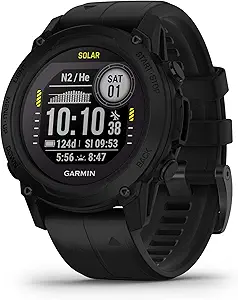
Garmin Descent G1 Dive Computer Restocking After Scuba Season Demand Surge
A dive trip can fall apart over one missing wrist computer, and that is why restock timing matters more than most shoppers expect. The Garmin Descent G1 is back in the conversation because U.S. buyers are seeing limited stock signals, including Garmin’s own listing showing an estimated availability window of 5–8 weeks rather than instant shipment. That does not prove every store is sold out, and it does not prove a national shortage. It does tell you one thing: waiting until the week before a Florida Keys charter, Catalina weekend, or quarry certification trip is a bad plan. This watch-style dive computer sits in a sweet spot for divers who want real underwater data without wearing one device on the boat and another one on land. It also fits the buyer who checks outdoor gear restock alerts before prices settle. The smart move is not panic buying. It is knowing what matters before fresh inventory lands.
Why Garmin Descent G1 Restock Timing Matters for Summer Divers
Restocks hit different in scuba gear because the buying window is short. A runner can miss a watch sale and still train tomorrow. A diver who misses a computer delivery may rent an unfamiliar unit, borrow from a buddy, or change the plan. That tension is why the current wait window feels bigger than a normal retail delay. It turns a shopping choice into a planning choice.
Summer also changes how people shop. They do not compare gear in a calm, slow way. They shop after a certification email, a group chat, or a charter confirmation. That is when the wrong listing starts to look tempting. A watch that would be easy to judge in February becomes harder to judge when your flight leaves in ten days.
Warm-water trips create a narrow buying season
A lot of American scuba buying clusters around planned travel. Someone in Ohio books Cozumel in July. A couple in Texas adds a Flower Garden Banks trip after certification. A college diver in California joins a Channel Islands charter and needs gear that feels simple under stress.
That kind of demand is not spread evenly through the year. It arrives in bursts. People do not wake up in November and casually buy a dive computer for fun. They buy when a deposit is paid, a class date is set, or the boat captain sends the gear list.
The non-obvious part is that restock pressure can come from casual divers, not advanced ones. A tech diver may already own backups. A newer diver is more likely to shop late, compare five models, and then buy the one that also works as a fitness watch. That is where a scuba diving smartwatch starts to make sense. It feels less like a single-trip purchase and more like a tool that can earn its keep after the vacation.
There is also a confidence piece. A diver who owns the same computer across several dives learns its rhythm. The beeps, screens, buttons, and log view stop feeling new. Rental gear rarely gives you that comfort. It gets the job done, but it may add one more unknown to a day that already has current, visibility, weighting, and boat timing to manage.
A backorder can still be worth watching
A 5–8 week availability note sounds like a reason to skip the product. Sometimes it is. Yet a backorder can also stop you from paying inflated prices from a random seller with weak return terms. Garmin’s launch pricing put the standard model at $549.99 and the solar version at $649.99, so any current deal should be judged against that original retail frame, not against a made-up “sale” number.
Here is the plain test: buy from a seller you would trust after a flooded housing, not only before checkout. That means clear warranty language, a real return policy, and no mystery import listing. Dive gear is not a sneaker drop. The cheapest cart total can become expensive if support disappears when something fails.
A restock also gives you time to think through fit. The Descent line pulls in runners, hikers, freedivers, vacation divers, and people who want one watch for training and water. That wide audience is part of the pressure, but it is also why you should buy for your actual dive style, not for the longest feature list.
The quiet advantage of waiting is that you can prepare your whole kit instead of obsessing over one device. Check your mask seal. Replace tired fin straps. Confirm whether your dive shop expects nitrox certification proof. A dive computer matters, but it is one piece of a system. A restock window can become planning time if you use it well.
What Makes This Watch-Style Dive Computer Stand Out
The attraction is not one flashy feature. It is the mix. You get a wrist unit that can handle dive planning needs, surface tracking, workouts, and daily wear without looking like a brick strapped to your arm. That mix is why a watch-style dive computer can be easier to live with than a larger console unit.
This matters because most recreational divers are not underwater every weekend. Many are land athletes who dive on trips, holidays, classes, and long weekends. They want a computer that feels serious at depth but does not feel wasteful between dives. The G1 lives in that middle lane. It is not the biggest screen in the category, and that may be the point.
The underwater feature set is serious enough for most buyers
Garmin’s support materials list a 10 ATM water rating, Dive EN 13319 design, a Bühlmann ZHL-16C decompression model, and a depth sensor rated from 0 to 100 meters, or 0 to 328 feet. For a typical U.S. recreational diver, that covers far more than the common reef, wreck, spring, quarry, and training profiles.
That does not mean the watch makes you a better diver. No computer does. What it does is place depth, time, ascent behavior, and mode settings on the same wrist you already check out of habit. That can reduce the little moments of friction that happen when your hands are cold, your mask is clearing poorly, or your buddy is already moving.
The counterintuitive point: the monochrome, practical feel can be a strength. Bright color screens look impressive in a store. Underwater, glance speed matters. A simpler display can feel calmer when you are checking data between fin kicks.
Take a quarry checkout dive in Pennsylvania. The water may be green, the platform may be crowded, and the instructor may be watching six students manage buoyancy. In that setting, the best screen is the one you understand fast. The point is not drama. The point is less fumbling.
The surface tools matter more than shoppers admit
A dive computer earns trust below the surface, but it earns daily value above it. That is where the G1 becomes more than a trip-only device. For someone who runs during the week, tracks sleep, hikes on weekends, and dives a few times a year, the daily-wear side keeps the purchase from sitting in a drawer.
The Garmin Dive app is part of that appeal because logging a dive should not feel like paperwork. Garmin says the device can connect through Garmin accounts and the broader Garmin app family, including Garmin Connect and Garmin Dive. A diver who logs right after surfacing is more likely to remember visibility, weight setup, current, and what felt off.
That detail matters in a place like Blue Heron Bridge in Florida. Two dives on the same site can feel nothing alike when tide, visibility, and crowding shift. A clean log helps you notice patterns. Maybe you were overweighted. Maybe your trim changed with a new tank. The watch does not solve that by itself, but it keeps the clues close.
The Garmin Dive app also helps turn a memory into a record. That sounds small until you start improving. Your best notes are often not about depth. They are about the moment you realized your breathing slowed, your finning got cleaner, or your safety stop felt easier than last time. Data is useful, but the story around the data is where progress hides.
How to Judge a Restock Before You Buy
A restock headline can make people hurry. That is the wrong mood for dive gear. Your goal is to separate a fair buying chance from a noisy listing that only looks urgent. A good purchase should still feel good after the shipping email arrives.
Price matters, but certainty matters more. You need to know the model, the seller, the warranty path, and the delivery window. You also need to know whether the discount is real. Some pages keep old sale language after inventory has already vanished, and that can make a dead listing look like a bargain.
Check the seller, not only the price
Start with the boring parts. Is the seller authorized or clearly established? Is the return window long enough to inspect the watch, charge it, pair it, and test menus? Does the product page show the exact model and color, or does it mix standard, solar, and bundle language in a sloppy way?
That last point matters. One retailer listing may show several variants with different prices and stock notes. A search result may say one version is unavailable while another has a few pieces left. Heart Rate Monitors USA, for example, showed multiple G1 options marked out of stock in a listing that also displayed discounted prices. That kind of mixed page is not rare.
Do not treat every discount as a deal. A lower price with no stock is not a buyable price. A cheap listing with vague warranty language may cost more if the unit has a problem before a trip. The better deal is the one that arrives on time, matches the model you wanted, and gives you a real path if something is wrong.
Look at shipping language with a cold eye. “Estimated delivery” is not the same as “in stock.” “Ships from partner warehouse” may be fine, but it should make you read twice. If a shop cannot say when it will ship, do not plan your first dive around hope.
Match the model to your dive calendar
The standard version makes sense for many divers who want a lower entry price and do not need solar charging. The solar version may appeal to people who spend more time outside, travel longer, or hate charging gear. That does not make solar the wiser buy for every person.
Think in dates. If your next dive is six weeks away and official restock timing sits in that same range, you need a backup plan. That may mean ordering from a trusted shop with confirmed stock, renting for one trip, or buying a different computer that you can learn before travel. Reading a manual on the flight is not preparation.
This is also where beginner scuba gear planning and smartwatch buying tips for outdoor trips belong in the same conversation. The watch is not only a spec sheet. It is part of a larger kit that includes exposure protection, lights, SMB, fins, mask comfort, and the boring charger cable you will wish you packed.
There is no shame in buying less than the top model if it fits your dives. A diver doing shallow reef trips twice a year may get more value from familiarity than from extra features. The smartest purchase is often the one you can operate without thinking hard. That matters on a rocking ladder with saltwater in your eyes.
Set It Up Before the Boat Leaves the Dock
The best restock buy can still become a poor dive-day experience if you open the box too late. A new computer is not hard to learn, but underwater is the worst classroom. Set it up at home while the stakes are low.
This is where many buyers waste the advantage they paid for. They treat a new device like a phone. Charge it, pair it, skim a few screens, done. Dive computers deserve a slower ritual because they ask you to make decisions while your attention is split. The device may be smart. You still need to be fluent.
Practice the screens before your first descent
Garmin’s manual says you can select a dive mode from the watch face, adjust items such as gases, water type, and alerts, and wait for GPS before entering if you want the entry point saved. It also says the activity timer starts automatically when you reach 1.2 meters, or 4 feet. Those are small details until you are floating beside a busy boat with people rolling in behind you.
Spend one evening learning the buttons. Put the watch in the mode you expect to use. Check alerts. Learn how to scroll through screens. Make sure you know where the compass sits and how the post-dive log appears.
A pool session helps, even if it feels silly. You do not need depth to learn muscle memory. You need repetition. The goal is to stop hunting through menus when your buddy is waiting at the descent line.
Then run a dry checklist. Can you find nitrox settings without guessing? Can you tell whether GPS locked before entry? Can you exit the log without tapping around? If those tasks feel clumsy in your living room, they will feel worse in chop.
Keep redundancy in the plan
Divers Alert Network is blunt about this: computers can fail, and divers should plan for equipment failure before it happens. DAN also recommends knowing your computer, reading the manual, and carrying backup options when possible. That advice matters more when you are buying a new unit close to travel.
A second computer is not always in the budget. At minimum, understand your rental options, tables, buddy plan, and shop rules. Some charters may expect each diver to have a working personal computer. Some instructors may have stricter class standards.
The least glamorous habit is the one that saves the day: charge the watch, update it, pack the cable, and check it the night before. A scuba diving smartwatch is still a battery-powered tool. Treat it like life-support-adjacent gear, not like a casual step counter.
Redundancy also means mental backup. Know what you will do if the screen goes blank, if a strap breaks, or if your buddy loses a computer after the first dive. That plan may be simple. End the dive, follow the operator’s rules, and sit out if needed. Simple beats confused.
Conclusion
A restock is not a finish line. It is the point where the buyer has to slow down and make a clean call. The right question is not whether a popular watch is hard to find this week. The right question is whether it fits the way you actually dive, travel, train, and prepare. For many U.S. divers, Garmin Descent G1 is the smarter buy when it replaces a flimsy compromise rather than becoming another gadget in the drawer. Watch the official availability window, compare real seller terms, and give yourself enough time to learn the screens before your next descent. The best deal is not the one with the loudest discount badge. It is the one that shows up early, works correctly, and feels familiar before the water closes over your shoulders. Buy with patience, then practice like your trip depends on it.
Frequently Asked Questions
Is the G1 a good first dive computer for new scuba divers?
Yes, it can work well for newer divers who want one device for diving and daily activity tracking. The bigger point is comfort. A new diver should learn the menus, alerts, and post-dive log before using any computer on a trip.
Why is this model showing restock pressure in the U.S.?
Warm-weather trips, certification classes, and vacation planning can push demand into a short window. Public listings show constrained availability in some places, but inventory can change by seller, model, color, and bundle.
Should I wait for official stock or buy from another store?
Wait when your trip date allows it and the seller path feels safer. Buy elsewhere only when the shop is trusted, the unit is clearly identified, and the return policy gives you enough time to inspect and test it.
Is the solar version worth paying more for?
It depends on how you travel and train. Solar can make sense for outdoor-heavy users who hate frequent charging. Occasional vacation divers may be better served by the standard version if the price gap is wide.
Can I use this watch for running and fitness too?
Yes, that is one of the main reasons people consider it. The daily fitness side helps the device earn value between dive trips, especially for runners, hikers, swimmers, and gym users who already like Garmin tracking.
What should I test before taking it on a dive trip?
Charge it fully, pair the apps, confirm the dive mode, check alerts, review the buttons, and open the dive log. Try the screens in a pool or shallow practice setting before depending on it during a boat dive.
Do I still need a backup if I own this computer?
A backup plan is wise with any dive computer. That could mean a second computer, a rental option, a buddy plan, or clear instructions from your dive operator. Batteries, sensors, and straps can fail at bad times.
What is the safest way to shop a restock deal?
Compare the listed price with normal retail context, then check seller reputation, warranty support, shipping date, and return terms. Do not let a discount badge override the basics, especially when the device is needed for a scheduled trip.