

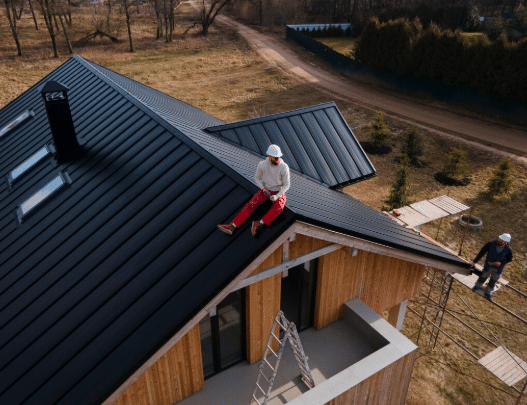
How to Protect Your Home From Costly Roofing Problems
Small problems can arise below the shingles, around flashing, or near drainage points and make a roof look absolutely fine from the ground. When a homeowner sees a stain on the ceiling, the damage could be more extensive than they realize.
Fortunately, a number of expensive roofing issues can be minimized by regular maintenance and prompt professional intervention. When you know what to look for, what you can do yourself, and when it’s time to call in a professional contractor, you can save money and save your home.
Inspect Your Roof Before Small Problems Grow
One of the easiest things to do is to have regular inspections of your roof. From the ground, homeowners can begin assessing by examining if shingles have been missing, if the flashing is damaged, if there are sagging points, moss or algae growth, and debris that has accumulated on the roof.
It is particularly helpful to observe changes after strong winds, heavy rain, or other severe weather. Professional inspections can detect problems that may not be discerned without a professional eye.
A professional roofer will be able to assess vulnerable areas and comprehend that a concern need not be treated ahead of time, but just observed.
Residential Roofing Needs Professional Attention
Not all residential roofing problems need to be replaced. Repairs can often be done early to stop damage from escalating in many instances.
Professional indicators for roof leaks consist of frequent leaks, water stains on the ceiling or wall, curling shingles, missing or damaged flashing, soft spots, and deterioration around roof penetrations. If there are sudden moisture or drafts in the attic, or the reason remains a mystery, an inspection may be justified.
Don’t rely on the age of the roof. The performance of a roof is influenced by the material, the quality of its installation, exposure to the weather, ventilation, and maintenance history.
Keep Gutters and Roof Drainage Clear
The proper drainage of water is a major factor in roof performance. Leaves, branches, or other debris can clog gutters and downspouts and cause them to overflow or drip on portions of the roofing system.
Property owners should check gutters regularly, especially during the seasons when they come loose from the trees. Check for sunken spots, standing water, disconnects, and downspouts that don’t flow away from the home.
Maintaining drainage systems is a fairly simple maintenance task that can help minimize unnecessary moisture exposure around the home.
Pay Attention to Attic Ventilation and Moisture
The protection for roofs doesn’t end at the outside. The condition in the attic may impact the performance and life of the roofing system. When moisture is present, it can lead to degradation and can cause conditions to become conducive to the growth of mold or other moisture issues.
Insulation should not be damp; there should be no condensation; there should be no musty smell; and water should not be present inside the house. When considering proper ventilation and insulation, they should be considered in relation to the entire roofing system as a whole rather than separately.