

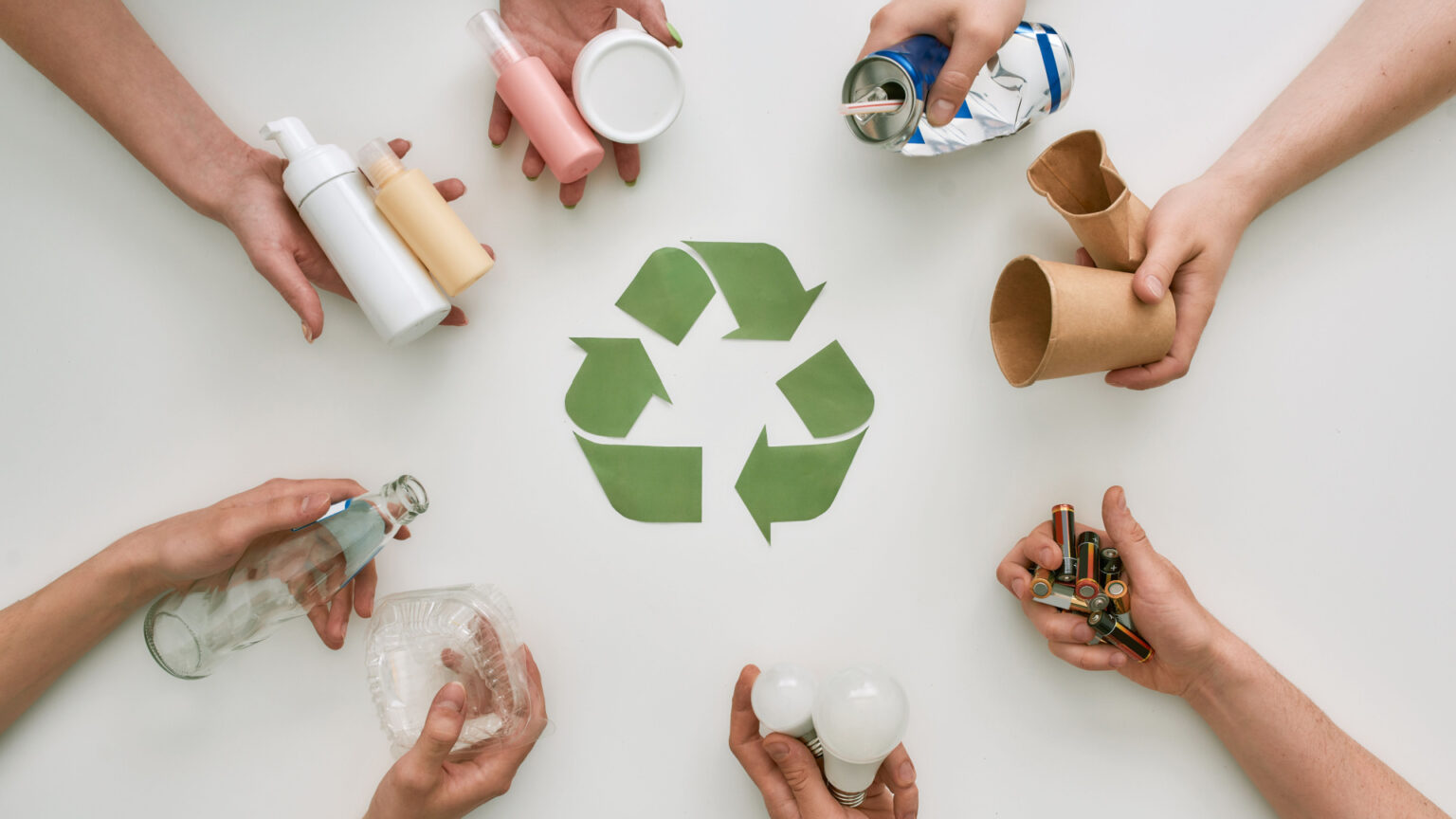
Zero-Waste Tips for More Responsible Households
Trash has a way of telling the truth about a home. A half-full fridge, a drawer packed with takeout forks, and a recycling bin stuffed with wishful thinking all point to the same quiet problem: Americans buy more than their routines can handle. Zero-Waste Tips help families cut that clutter without turning daily life into a guilt project. The goal is not a perfect mason jar of annual trash. The goal is a household that wastes less because its systems make sense. Many U.S. families are already thinking harder about food costs, storage space, energy bills, and the hidden price of convenience. That shift matters. Even small choices become easier when they fit into school mornings, long commutes, weekend errands, and real kitchens that do not look like magazine spreads. For households trying to build better habits, useful community publishing resources can also help spread practical ideas that make sustainable living feel local, doable, and worth repeating.
Better Buying Habits for Responsible Households
A lower-waste home usually starts before anything enters the front door. The store is where most household waste gets approved, often without anyone noticing. You may think the waste problem begins at the trash can, but the truth is sharper: your cart makes the first decision. Responsible households do not buy perfectly. They buy with fewer blind spots.
How to Plan Low-Waste Grocery Trips Without Overthinking
A grocery list works best when it begins in your kitchen, not in the store parking lot. Open the fridge, check the pantry, and look at what needs to be eaten first. That five-minute scan can save more food than any fancy storage container because it stops duplicate buying before it starts.
Many American families shop around busy schedules, so the plan must be simple enough to survive a Tuesday night. Write meals in loose groups instead of fixed menus: two quick dinners, one batch meal, two lunch options, and breakfast basics. This gives you room to adjust without letting ingredients drift into the back of the fridge.
Bulk buying deserves a little suspicion. A warehouse-size box only saves money when your household will finish it before it goes stale, leaks, cracks, or gets forgotten. A smaller package that gets used beats a cheaper giant package that becomes expensive trash.
Why Packaging Choices Matter More Than Brand Loyalty
Packaging often hides behind the product, but it shapes the waste stream long after the purchase feels finished. A plastic pouch, a clamshell box, and a single-use wrapper may all promise ease, yet each one adds another small job for your home to manage. The best packaging is the kind you do not have to think about twice.
Glass jars, metal tins, paperboard boxes, refillable containers, and loose produce can reduce the weekly pile without forcing a dramatic lifestyle change. A family in Ohio buying apples loose instead of in a plastic bag is not making a grand statement. They are simply refusing extra work later.
Brand loyalty can get in the way here. A household may buy the same product for years while ignoring a nearby option with less packaging, better portion sizing, or easier recycling. The smarter move is to make the package part of the purchase decision, not an afterthought tossed into the cart.
Food Waste Control Starts in the Kitchen
Once food enters the home, the battle changes. Shopping creates the possibility of waste, but kitchen habits decide the outcome. This is where good intentions either become dinner or turn into a strange container no one wants to open. The winning system is not strict. It is visible, forgiving, and easy to repeat.
How Can Meal Prep Reduce Household Waste?
Meal prep fails when it tries to control the whole week like a school schedule. Real homes need a looser method. Cook one flexible base, such as rice, roasted vegetables, beans, shredded chicken, or pasta, then let it move across meals in different ways.
Leftovers need a promotion, not a hiding place. Put them at eye level in clear containers, label them with the day, and plan one “use-it-up” meal before the next grocery trip. Tacos, fried rice, soup, grain bowls, and omelets can rescue small amounts that look too random to matter.
A good kitchen has a first-in, first-out rhythm. New yogurt goes behind old yogurt. Fresh berries wait behind the container already opened. This sounds minor, but it changes how people reach for food, especially kids grabbing snacks after school.
Smarter Storage for Fresh Produce
Produce waste often comes from treating every fruit and vegetable the same. Lettuce, herbs, berries, potatoes, onions, and apples all have different needs, and the fridge is not a magic box. Some food wants cold air, some wants darkness, and some ruins its neighbors faster than you expect.
Leafy greens last longer when they are washed, dried well, and stored with a towel to control moisture. Potatoes prefer a cool, dark place away from onions. Berries need airflow and quick attention because one soft berry can spoil the whole container by the weekend.
Here is the odd part: beautiful storage is not always better storage. Matching bins may look good online, but a home needs systems people will use when they are tired. A messy-looking crisper that keeps food visible beats a perfect row of containers that turns dinner into a guessing game.
Daily Routines That Cut Waste Without Extra Stress
A responsible home runs on patterns, not heroic effort. Nobody wants a lecture every time they throw something away. The better path is to build small routines that make the lower-waste choice the easier choice. Zero-Waste Tips work best when they remove friction instead of adding another task to a crowded day.
How to Make Reuse Easy for Busy Families
Reusable items fail when they live in the wrong place. Cloth bags in a hallway closet do nothing when you are standing at checkout. Travel mugs inside a cabinet do not help when coffee stops happen during the morning drive. The fix is placement, not more willpower.
Put bags in the car, by the door, and inside the most-used purse or backpack. Keep a small container kit near lunch boxes. Store a washable water bottle where keys and phones land. These tiny staging areas turn reuse into muscle memory.
Families with children can make this feel normal instead of preachy. Give kids a lunch routine where they bring back containers, sort wrappers, and refill bottles. They learn faster from repeated household habits than from big speeches about the planet.
Where Recycling Goes Wrong at Home
Recycling becomes less useful when a household treats the bin like a forgiveness machine. Greasy pizza boxes, plastic bags, tangled cords, food-covered containers, and mystery plastics can contaminate the stream. Hope is not a recycling strategy.
Local rules matter across the United States because programs differ by city, county, and hauler. A container accepted in Phoenix may not be accepted in a small town in Pennsylvania. Checking your local recycling page once can prevent months of wrong sorting.
The better habit is to place a small guide near the bin. Keep it plain: paper, cardboard, metal cans, accepted plastics, and glass if your area takes it. When recycling gets too complicated, people guess. A clear household rule beats a long debate every time.
Building a Home Culture That Makes Less Waste Feel Normal
The deepest change happens when waste reduction stops feeling like a project and starts feeling like “how we do things here.” A home culture does not need matching jars, strict rules, or public performance. It needs shared expectations that survive busy seasons, holidays, guests, and tired evenings.
How to Talk About Sustainable Living Without Sounding Preachy
People resist waste advice when it sounds like judgment. A spouse, roommate, teenager, or parent will tune out if every mistake turns into a speech. The stronger approach is to connect the habit to something they already care about: saving money, reducing clutter, keeping food fresh, or making cleanup easier.
A household in Texas might care less about abstract waste numbers and more about fewer trash bags in summer heat. A New York apartment dweller may care about saving cabinet space. A family in California may connect the habit to compost rules already built into local life.
Language matters. “Let’s see if we can make groceries last until Friday” lands better than “Stop wasting food.” One phrase invites teamwork. The other starts a fight no banana peel deserves.
Why Small Wins Beat Perfect Systems
Perfect systems break fast because homes are not controlled labs. Someone gets sick, guests come over, soccer practice runs late, and takeout happens. A strong low-waste household leaves room for real life without dropping the whole effort.
Choose one win at a time. Maybe this month you cut paper towel use in half. Next month you reduce food spoilage. After that, you set up a simple donation box for clothes, toys, and household items that still have life left in them.
Small wins create proof. Once your family sees fewer trash bags, lower grocery waste, and cleaner cabinets, the habits stop feeling like sacrifice. They feel practical. That is the point most people miss: responsible living works when it makes the home easier to run, not harder.
Conclusion
A household does not become lower-waste because one person suddenly becomes perfect. It changes because the home stops rewarding careless patterns. Better shopping, smarter storage, easy reuse, and clear recycling rules all work together when they fit the way Americans actually live. The strongest Zero-Waste Tips are not dramatic; they are repeatable on a school morning, after a long commute, or during a crowded weekend. Start with the area causing the most visible waste, then build one habit around it until it feels normal. That might be food leftovers, shopping bags, lunch supplies, or the recycling bin everyone keeps guessing about. Pick the mess that annoys you most and fix that first. A more responsible household is not built from guilt. It is built from small decisions that make waste feel less automatic and care feel easier to repeat.
Frequently Asked Questions
What are the easiest zero-waste tips for beginners at home?
Start with the habits you can repeat without stress: carry reusable bags, plan meals before shopping, store leftovers in clear containers, and learn your local recycling rules. These steps reduce common waste fast because they target daily choices, not rare household events.
How can American families reduce food waste every week?
Check the fridge before shopping, plan flexible meals, and keep leftovers at eye level. Use soft produce in soups, smoothies, sauces, or baked dishes before it spoils. A weekly “use-it-up” dinner also helps families finish small portions that might otherwise be tossed.
What household items should be reused instead of thrown away?
Glass jars, cloth bags, food containers, old towels, shipping boxes, and paper grocery bags can often serve another purpose. Reuse works best when items have a clear job. Saving everything creates clutter, so keep only what your household will actually use.
How do zero-waste habits save money for households?
Less waste means fewer duplicate purchases, fewer spoiled groceries, and fewer disposable products bought on repeat. Reusable bottles, lunch containers, cloth towels, and smarter food planning can cut small recurring costs that quietly drain a household budget over time.
What is the best way to recycle correctly in the USA?
Check your city, county, or waste hauler guidelines because recycling rules vary across the country. Rinse containers, keep food out of the bin, avoid plastic bags unless your program accepts them, and stop guessing on mystery items that may contaminate the load.
How can renters practice sustainable living in small apartments?
Renters can focus on compact habits: reusable shopping bags, smaller grocery trips, clear food storage, donation bins, and low-waste cleaning supplies. Small spaces often make waste easier to spot, which helps you adjust faster without needing a garage, yard, or extra storage.
What are simple low-waste swaps for busy parents?
Pack lunches in washable containers, keep water bottles ready, store reusable bags in the car, and choose snacks with less packaging when possible. Parents do not need a perfect system. They need repeatable routines that children can follow without constant reminders.
How can a household stay motivated to waste less?
Track visible wins, such as fewer trash bags, less spoiled food, or a cleaner pantry. Motivation grows when people see daily life getting easier. Choose one habit, keep it steady for a month, then add another only when the first one feels automatic.