

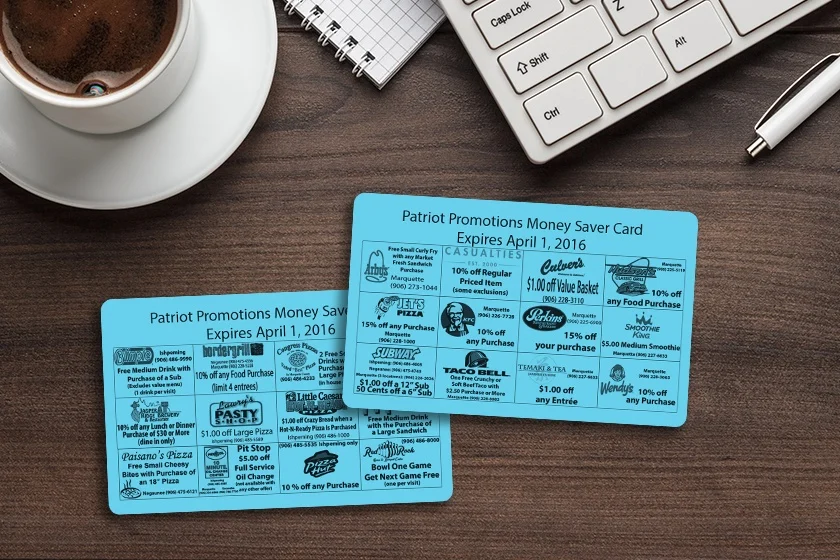
How To Run A Successful Discount Card Fundraiser?
Bake sales, candy drives, and car washes take hours of volunteer time, yet many groups finish the month short of their goal. Supporters grow tired of buying products they do not need, and organizers end up handling leftover inventory long after the event is over. Discount cards offer a better option, though a strong result depends on careful planning from the start.
Running a successful discount card fundraiser comes down to ten clear steps. Groups set a realistic goal, recruit local merchants, choose offers supporters will use, print durable cards, price them well, prepare sellers, promote widely, accept multiple payment types, track the money, and thank everyone involved. Following these steps in order keeps the campaign organized and raises more money for the cause.
Planning the Fundraiser
The planning stage shapes everything that follows. These first two steps set the target and secure the businesses that make the card valuable.
Step 1: Set a Clear Fundraising Goal
A specific dollar goal gives sellers a target and helps organizers decide how many cards to order. Groups should start by naming what the money will fund, such as new uniforms, a class trip, or equipment, since a concrete purpose motivates buyers.
The math is simple once the goal is set. Here is a quick example:
Goal of $5,000 ÷ $17 profit per card (a $20 card costing about $3 to produce) = roughly 300 cards to sell
Working backward from the goal turns a vague hope into a plan that sellers can follow.
Step 2: Recruit Local Merchants
Merchants make the card worth buying, which means recruitment deserves early attention. Pizza shops, coffee houses, car washes, salons, and family restaurants are often the most popular choices, since supporters visit them regularly. Organizers should explain that the card sends new customers through the door at no upfront cost to the business.
Local spending also benefits the wider community, since for a dollar spent at a small business, 68 cents stays in the local community. Sharing that point helps merchants see the fundraiser as a way to support both the cause and the local economy. Signing eight to fifteen businesses usually gives the card enough variety to appeal to most buyers.
Creating the Discount Card
The card itself drives sales. Strong offers, a durable design, and the right price turn a simple piece of plastic into something supporters want to carry.
Step 3: Choose Offers Supporters Will Use
Offers decide the value buyers see in the card. The strongest deals usually share these traits:
✓ Reusable discounts that work on multiple visits
✓ Offers at businesses people visit weekly
✓ Simple terms such as “10% off” or “$5 off a $25 order”
✓ A mix of food, services, and retail
✓ Validity for a full year
Cards that pay for themselves after two or three visits are easier to sell. Buyers who can quickly see that value tend to say yes on the spot.
Step 4: Design and Print Durable Cards
A youth soccer league planning to sell 400 cards through 25 players needs a way to see which players sold the most and which cards are in use. Paper cards also tear and fade long before the year ends, which frustrates buyers and merchants alike. A durable plastic card that includes unique numbering solves both problems at once.
Step 5: Set the Card Price and Order Quantity
Price and quantity work together to reach the goal:
- Card price: Most fundraiser cards sell for $10 to $25, and the price should feel lower than the savings a buyer can expect in the first few visits.
- Order quantity: Groups should order enough cards for all sellers to reach their personal targets, plus a small buffer for late demand.
- Seller target: Dividing the total cards by the number of sellers gives everyone a clear personal goal, such as 12 cards per student.
Selling the Cards
Strong sales depend on prepared sellers, steady promotion, and easy payment options. These three steps keep the campaign moving from launch to the final day.
Step 6: Prepare and Motivate Sellers
Sellers perform better when they know what to say and why the card is worth buying. A simple seller kit should include:
- Sample card to show buyers
- Short script explaining the cause
- List of participating merchants and offers
- Personal sales target
- An envelope or log for tracking sales
Small rewards for top sellers, such as a pizza party or recognition at an event, add friendly competition. Sellers who feel supported tend to reach more buyers.
Step 7: Promote the Fundraiser
Promotion keeps the fundraiser in front of supporters throughout the selling window. Different channels serve different purposes:
| Channel | Best Use |
| Social media posts | Sharing the cause, merchant list, and deadline |
| Email and school newsletters | Reaching parents and families directly |
| Merchant counter displays | Selling to customers already in the store |
| Community events | Selling in person at games, fairs, and concerts |
| Personal outreach | Asking family, neighbors, and coworkers |
Combining online and in-person efforts reaches a wider group of buyers. Regular reminders also help supporters who intend to buy but have not yet followed through.
Step 8: Accept Cash and Digital Payments
Payment options can make or break a sale, especially as cash use declines. About half of adults under 30 (51%) say they don’t use cash for any of their purchases in a typical week. Organizers can plan for this shift in three ways:
- If sellers meet buyers in person: A card reader or payment app lets them accept cards and phone payments on the spot.
- If sales happen online: A simple order form linked to a payment page captures buyers who never meet a seller.
- If buyers prefer cash or checks: Sellers should still carry receipts and a clear record of payments.
Wrapping Up the Fundraiser
The final stage protects the money raised and sets up the next campaign. These two steps close the fundraiser on a strong note.
Step 9: Track Sales and Collect Funds
Organized records prevent lost money and missing cards. A simple wrap-up process looks like this:
- Collect all unsold cards and sales logs from sellers.
- Match card numbers sold against the money received.
- Deposit funds into the group’s account promptly.
- Share the final total and progress toward the goal.
Clear records also make the next year’s planning easier, since organizers can see which sellers and channels performed best.
Step 10: Thank Supporters and Plan Next Year
Thanking buyers, sellers, and merchants turns a single campaign into a lasting tradition. Keeping supporters matters more than ever, since donor counts fell an estimated 3.6% (±0.5%) in 2025, extending a decline that began in 2021. A thank-you post, a merchant shout-out, and a note to families keep goodwill strong until the next discount card fundraiser begins.
Planning early also keeps merchants on board and gives the group time to refresh the card design. Many groups confirm returning merchants and reorder cards several weeks before the new selling window opens.
How Much Can a Discount Card Fundraiser Raise?
Results depend on card price, production cost, and the number of sellers. Discount cards often keep 75% to 90% of the sale price as profit, which means a group selling 300 cards at $20 can raise around $5,000. Larger groups and longer campaigns raise more.
How Long Should the Selling Period Last?
Most groups sell cards for two to four weeks. A short window creates urgency and keeps sellers focused, while a longer one can lose momentum. The card itself usually stays valid for 12 months, giving buyers a full year of savings.
Conclusion
A successful discount card fundraiser follows a clear path from the first goal to the final thank-you. Planning sets the target and brings local merchants on board, while useful offers and durable cards give supporters a reason to buy. Prepared sellers, steady promotion, and flexible payment options keep sales moving through the selling window, and organized tracking protects the money raised. Groups that repeat the process year after year often see sales grow as buyers, sellers, and merchants return.
Those returning supporters depend on a card that holds up for the full 12 months and still looks professional at the register. Duracard prints full-color fundraiser cards on durable PVC, with unique numbering that helps organizers match cards sold to the money collected. Groups can build a design in the online designer or upload finished artwork, keeping the card in line with the school, team, or cause. Schools, teams, and community groups can contact Duracard today to start planning cards for their next fundraiser.
Read More: What To Know About Loyalty Card Printing For Your Business
