Wall Decor Ideas for a More Personal Home
A blank wall can make a finished room feel strangely unfinished, even when the furniture, lighting, and paint are all right. The problem is not emptiness alone; it is silence. Good Wall Decor Ideas give your home a voice without making every surface shout for attention. Across American homes, from small city apartments to suburban houses with open floor plans, walls often carry the clearest signs of who lives there. A framed family photo, a thrifted painting, a woven piece from a road trip, or a clean shelf with objects that matter can say more than a full room of new furniture. If you care about making your home feel seen, shared, or remembered, smart visual choices matter, and thoughtful home design visibility can help ideas reach people who care about better spaces. A personal home does not need expensive art or a designer’s approval. It needs choices that feel honest, placed with care, and strong enough to live with every day.
Start With the Story Your Walls Should Tell
Personal walls work best when they begin with meaning, not shopping. Many Americans decorate backward: they buy a print because it matches the sofa, then wonder why the room still feels flat. A better starting point is asking what kind of life the wall should reflect. A kitchen wall may need warmth and humor, while a bedroom wall may need calm, memory, and softness. That difference matters because every wall has a job, even when no one names it.
How to choose home wall art that feels personal
Strong home wall art does not need to be rare, pricey, or framed in museum glass. It needs a reason to be there. A black-and-white photo from a family beach trip in Maine, a sketch from a local art fair in Austin, or a print from a favorite neighborhood bookstore can carry more weight than a large generic canvas bought to fill space.
The common mistake is choosing art only by color. Matching tones helps, but color alone cannot carry a room. When a piece connects to a place, person, season, or memory, it becomes part of the home instead of a patch on the wall. That shift is small, but you feel it every time you walk past.
Some of the best home wall art also creates a quiet pause. A small framed recipe card from a grandmother, a child’s painting in a clean frame, or a ticket stub placed beside a travel photo can make a hallway feel alive. Mass-produced art can work too, but it needs context around it so it does not feel rented.
Why personal walls should not look too perfect
A perfect wall often feels less human than an imperfect one. American homes are already full of polished surfaces: smooth countertops, matching hardware, bright screens, and catalog-style furniture. If the walls copy that same polished mood, the room can start to feel like nobody lives there.
A wall gains charm when it carries slight tension. A vintage mirror above a modern console. A bold painting near a simple lamp. A family photo beside a small textile. These pairings tell the eye that someone made a choice, not that a store display moved into the house.
Personal does not mean messy. It means edited without becoming stiff. You can keep clean lines and still allow character to show through. The trick is leaving room for one or two objects that do not match in the obvious way but still belong emotionally.
Build Balance Before You Add More Pieces
Once your wall has a story, the next challenge is control. Too little decor feels cold, but too much can make a room restless. Many homes lose their charm because every empty inch gets treated like a problem. Walls need breathing room, especially in American open-plan living areas where the kitchen, dining space, and living room already compete for attention.
What makes gallery wall design feel intentional?
A good gallery wall design starts with shape before it starts with frames. The whole group should form a loose rectangle, square, vertical column, or soft organic cluster. Without that invisible boundary, the display can look like it slowly escaped across the wall.
The strongest gallery wall design also mixes scale with purpose. One larger piece can act as the anchor, while smaller pieces bring rhythm around it. A family portrait, landscape print, small abstract, and narrow textile can work together if the spacing stays steady and the colors speak to each other.
You do not need every frame to match. Matching frames can feel clean, but mixed frames often feel more lived-in. The key is choosing one shared element, such as black accents, warm wood, white matting, or similar spacing. That shared thread keeps the wall from turning chaotic.
How spacing changes the mood of a room
Spacing carries more emotional weight than most people think. Tight spacing feels collected and cozy, which works well in hallways, staircases, and reading corners. Wider spacing feels calmer and cleaner, which suits bedrooms, dining rooms, and larger living areas.
A common mistake is hanging pieces too high. Art should connect to the people in the room, not hover near the ceiling like a warning sign. In many living rooms, the center of a piece or group feels better near eye level, especially when viewed from a sofa.
Furniture should also guide placement. A piece above a console, bed, or couch should feel related to the furniture below it. If it floats too far above, the wall breaks into two separate thoughts. If it sits too close, the room feels squeezed.
Let Function Shape the Decoration
Pretty walls are easy. Useful walls take more thought. The most personal homes often blend beauty with daily function, because real life leaves marks: keys, bags, mail, coats, dog leashes, school papers, and seasonal clutter. Instead of pretending those things do not exist, smart wall choices give them a better place to land.
How DIY wall accents add character without clutter
DIY wall accents work best when they solve a real need or carry a real touch. A peg rail near the entry can hold tote bags and hats while adding rhythm to the wall. A painted arch behind a desk can define a work zone without adding another object to the room.
The best DIY wall accents do not scream “craft project.” They feel settled into the room. A narrow picture ledge, a handmade wood shelf, a fabric panel, or a set of painted trim boxes can add depth without making the space feel busy.
Budget matters for many American households, and this is where do-it-yourself choices can shine. You can refresh a wall with leftover paint, thrifted frames, removable wallpaper, or simple molding from a hardware store. The win is not saving money alone. The win is making something that does not look like everyone else’s cart.
How storage can still look warm
Storage on walls often fails because people treat it like a utility closet. Hooks, shelves, and rails can look cold when they are chosen only for function. The better move is to choose pieces that match the emotional tone of the room.
A mudroom wall in a Wisconsin home, for example, might use warm wood hooks, a narrow bench, and framed outdoor photos to soften the daily pile of coats. A small apartment entry in New York might use a slim brass hook rail and one round mirror to create order without stealing floor space.
Open shelving needs restraint. A shelf should not become a junk drawer turned sideways. Use it for a few pieces that earn visibility: a small plant, two books, a ceramic bowl, or a framed postcard. The space around the objects does half the work.
Match Each Room to Its Own Kind of Expression
A home feels more personal when every room gets its own mood. Copying the same art style across the whole house can make things feel tidy, but it can also flatten the experience. The living room, bedroom, hallway, kitchen, and bathroom do not ask for the same kind of wall treatment. Each space has a different pace.
Why living room wall decor carries the most pressure
Living room wall decor often becomes the public face of the home. Guests see it, family gathers around it, and photos often happen there. That pressure leads many people to play it safe with large neutral art, but safe can become forgettable fast.
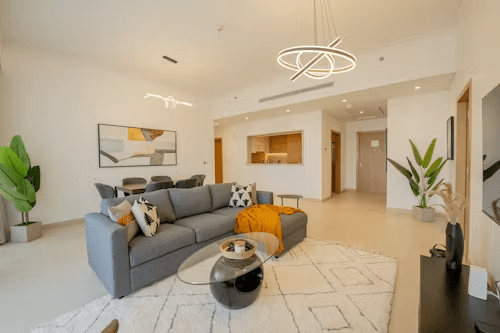
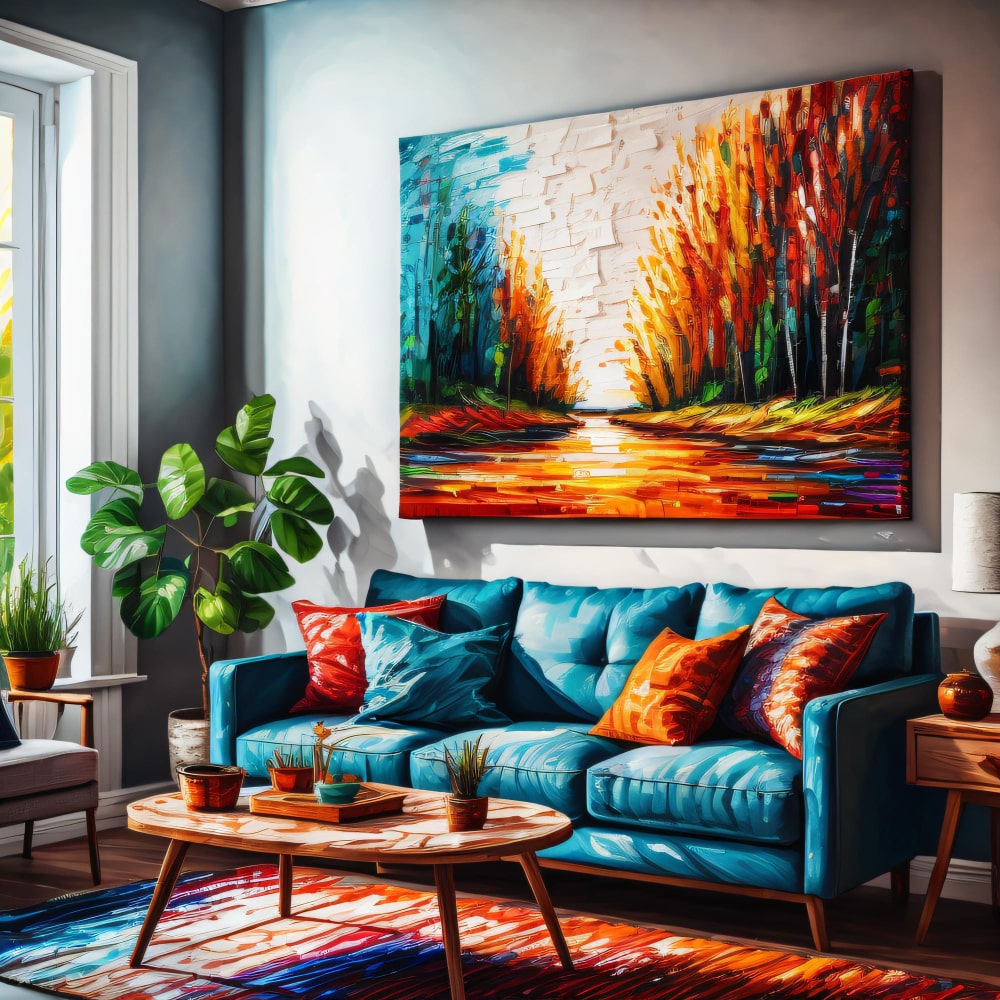
Better living room wall decor gives the room a center of gravity. One oversized piece above the sofa, a pair of framed prints beside a fireplace, or a textured wall hanging behind accent chairs can make the room feel anchored. The choice should match how the room is actually used, not how it looked in a furniture ad.
A family that watches football every Sunday may want shelves with sports memories, framed city prints, and warm lighting. A couple that hosts dinner often may choose art that starts conversation without taking over. The wall should serve the room’s real social life.
How bedrooms and hallways can hold quieter detail
Bedrooms need a softer hand. The wall above a bed should calm the room, not demand attention like a billboard. Textile art, muted photography, low-profile shelves, or a pair of simple framed pieces can bring intimacy without noise.
Hallways give you permission to be more personal. They are passing spaces, so they can hold family photos, travel snapshots, small art, or a running story of places you have been. A hallway does not need to impress anyone. It can simply remember.
Bathrooms and kitchens deserve care too. A small framed print near a powder room sink or a narrow shelf with a plant and ceramic piece can make a utility-heavy space feel considered. Tiny walls often create the biggest surprise because nobody expects them to carry personality.
Conclusion
A personal home does not happen when every wall gets filled. It happens when the right pieces land in the right places and the empty spaces still feel intentional. That is why the best Wall Decor Ideas are never about copying a trend photo. They are about choosing what deserves to stay in your daily view. Start with one wall that bothers you most, remove anything that feels random, and rebuild it around one clear feeling: warmth, memory, calm, pride, humor, or welcome. Homes across the USA may differ in size, style, and budget, but the rule holds everywhere: your walls should not merely decorate your rooms; they should help explain them. Pick one wall this week, choose one meaningful anchor piece, and let the rest of the room grow from that decision.
Frequently Asked Questions
What are the best wall decor ideas for a small living room?
Choose one strong focal point instead of several small pieces scattered around the room. A large framed print, mirror, or narrow picture ledge can make the room feel planned without crowding it. Keep the colors connected to the furniture so the wall feels open.
How do I choose home wall art for a rented apartment?
Pick damage-light options such as framed prints on removable hooks, leaning art, peel-and-stick panels, or picture ledges where allowed. Focus on pieces you can take with you later. Personal style should not depend on owning the walls.
What is the easiest gallery wall design for beginners?
Start with one larger center piece, then place smaller frames around it with equal spacing. Lay everything on the floor first and take a photo before hanging. This keeps the layout controlled and helps you avoid random gaps.
How can DIY wall accents make a home feel warmer?
Handmade touches add evidence of care, which store-bought decor often lacks. Painted shapes, simple wood shelves, fabric panels, or framed personal items can make a room feel lived-in. Keep the finish neat so the result feels intentional.
What living room wall decor works above a sofa?
A wide artwork, paired frames, woven hanging, or balanced gallery arrangement usually works well above a sofa. The piece should feel connected to the sofa width, not tiny above it. Leave enough space so the wall and furniture read as one group.
How high should wall art be hung in a home?
Most wall art feels best when its center sits near eye level. When hanging above furniture, keep the piece close enough to feel connected to what sits below it. Art placed too high often makes a room feel awkward and unfinished.
How do I decorate a blank wall on a budget?
Use thrifted frames, printable art, family photos, fabric scraps, painted shapes, or simple shelves. Budget decor works best when you limit the number of pieces and arrange them with care. Cheap items can look expensive when the spacing is clean.
What wall decor makes a home feel more personal?
Photos, local art, travel pieces, inherited items, handmade accents, and objects tied to real memories create the strongest personal feeling. The best choices do not need to explain themselves to guests. They only need to feel true to the people living there.