

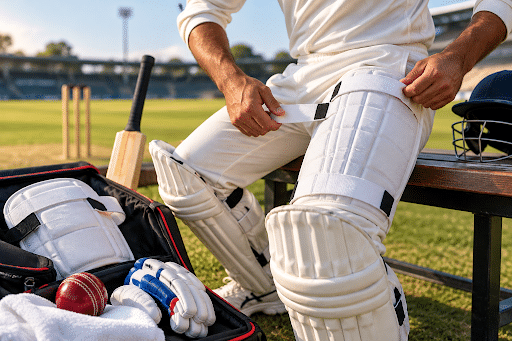
How to Choose the Right Cricket Thigh Guard for Safety and Comfort
Cricket involves fast deliveries, sudden movements, and occasional impacts that can cause painful injuries. A well-fitted thigh guard provides additional protection to vulnerable areas of the upper leg while allowing batsmen to move comfortably. Choosing suitable protective equipment is particularly important when facing hard-ball bowling during practice or competitive matches.
Not every guard offers the same level of protection or comfort. Materials, padding thickness, coverage, weight, and fitting systems can influence performance. Understanding these features helps cricketers select equipment that suits their individual requirements and playing conditions.
Why Is a Cricket Thigh Guard Important?
A cricket thigh guard protects the upper leg against impacts from fast-moving deliveries. When a batsman misjudges the bounce or misses a shot, the ball can strike the thigh with considerable force. Protective padding helps absorb and distribute some of that impact, reducing the likelihood of painful bruising and certain injuries.
Modern thigh pads are available in different shapes and protective constructions. Some provide broader coverage around the inner and outer thigh, while others focus on lightweight protection. Players should prioritize adequate coverage without sacrificing natural footwork.
Understanding Different Types of Thigh Guards
Cricket thigh guards generally include inner thigh guards, outer thigh guards, and combination designs. Outer guards protect the leading thigh, which may be exposed to incoming deliveries. Inner guards protect the opposite thigh, especially during certain batting movements.
Some protective guards incorporate high-density foam and extended coverage around vulnerable areas. Combined designs can offer additional protection, although their suitability depends on individual preferences and the manufacturer’s fitting instructions.
Important Features of a Quality Cricket Thigh Guard
Several construction details determine how effectively protective equipment performs.
Impact Protection: High-density foam and reinforced protective panels help manage the force of ball impacts. Padding should adequately cover vulnerable areas without leaving unnecessary gaps.
Lightweight Construction: Excessive weight can interfere with movement. A lightweight cricket thigh guard allows players to maintain a comfortable batting stance and run between wickets more easily.
Adjustable Straps: Reliable straps help secure the guard against the leg, preventing unnecessary movement during batting.
Breathable Materials: Ventilated fabric and moisture-managing liners can improve comfort during long innings, particularly in warm weather.
Durability: Strong stitching, quality materials, and secure fastening systems contribute to equipment longevity.
How to Choose the Correct Thigh Guard Size
Proper sizing is essential for both protection and comfort. An oversized guard may shift during movement, while a smaller one may leave important areas exposed.
Players should follow manufacturer sizing instructions and check that protective padding covers the intended thigh area.
The guard should remain secure when walking, bending, and practicing batting movements. Adjustable straps must provide a comfortable fit without restricting circulation.
Testing equipment while wearing normal cricket clothing can help identify fitting problems before match day.
Does Batting Style Affect Thigh Guard Selection?
Batting technique and playing conditions can influence the protection a player needs.
Aggressive batsmen who frequently play cross-batted shots may prefer equipment that remains stable during quick movements.
Players facing fast bowling should prioritize suitable impact protection and coverage.
For spin bowling, comfortable fitting and freedom of movement are also valuable, particularly when moving forward or backward to reach deliveries.
Regardless of batting style, selecting appropriate protective equipment should remain a priority.
Common Mistakes When Buying a Thigh Guard
Several mistakes can reduce the effectiveness of thigh protection:
- Choosing appearance instead of protective quality.
- Ignoring correct size and coverage.
- Selecting equipment with unreliable straps.
- Prioritizing low weight without checking padding.
- Wearing damaged protective equipment.
Regular inspections can help players identify worn padding, loose stitching, or damaged fastening systems.
Frequently Asked Questions
1. What is a cricket thigh guard used for?
It protects the upper leg from impacts during batting, helping reduce the risk of bruising and certain injuries.
2. Should a thigh guard fit tightly?
It should fit securely without slipping, but it must not restrict movement or circulation.
3. What materials are used in cricket thigh guards?
Common materials include high-density foam, synthetic fabrics, reinforced panels, and adjustable elastic straps.
4. Can beginners wear professional thigh guards?
Yes. Beginners can use suitable protective equipment provided it fits correctly and offers adequate coverage.
5. How long does a cricket thigh guard last?
Its lifespan depends on construction quality, playing frequency, maintenance, and the condition of its protective materials.
Conclusion
Choosing a cricket thigh guard requires balancing impact protection, comfort, weight, and correct sizing. Suitable padding and reliable fastening systems help protect vulnerable areas without unnecessarily restricting batting movements.
Players should regularly inspect their equipment and replace damaged protective components when necessary. Comparing thigh protection according to materials, protective coverage, and fitting characteristics can help cricketers make informed decisions for safer, more comfortable batting.
Read More: How Can Pitch Conditions Affect a Batsman’s Performance
