
Creative Learning Ideas for Better Student Interest
A quiet classroom can fool you. Students may sit still, copy notes, and finish worksheets while their minds are miles away from the lesson. The real goal is not keeping children busy; it is making them mentally present. In many American schools, teachers face a hard mix of short attention spans, heavy standards, digital distraction, and students who need school to feel connected to real life. That is where smart educational visibility and stronger teaching design begin to matter for families, schools, and local learning communities.
Creative Learning Ideas work best when they turn students from passive listeners into active thinkers. A lesson does not need glitter, noise, or expensive technology to feel fresh. It needs a reason for students to care, a task that asks them to make choices, and a classroom rhythm that gives them room to speak, test, revise, and notice progress. Student interest grows when learning feels less like a demand and more like a meaningful challenge they can step into.
Creative Learning Ideas That Start With Real Student Curiosity
Student interest rarely appears because a teacher tells a class that a topic matters. It grows when students can see a piece of themselves, their neighborhood, their future, or their questions inside the work. A fifth grader in Ohio may care more about fractions when planning a school garden budget than when solving ten isolated problems on a page. The math has not changed. The reason for doing it has.
How classroom engagement begins before the lesson plan
Strong classroom engagement starts before the first slide appears. Students walk into a room already carrying moods, worries, loyalties, jokes, memories, and private doubts about whether they are good at school. A lesson that ignores all of that has to fight for attention from the first minute.
A better opening gives students a small point of entry. A teacher might ask students to choose which local problem deserves more attention: cafeteria waste, unsafe crosswalks, boring public spaces, or social media rumors. That small choice changes the room. Students are no longer receiving a topic; they are placing a stake in it.
The counterintuitive part is that curiosity often grows from limits, not freedom. Asking “What do you want to learn?” can freeze a room. Asking “Which of these two school problems would you fix first, and why?” gives students a frame strong enough to push against.
Why active learning strategies need emotional hooks
Active learning strategies fail when they become movement without meaning. A gallery walk, role-play, debate, or group challenge can still feel empty when students do not understand why their effort matters. Activity is not the same as interest.
A middle school social studies class can study the Bill of Rights through a mock town meeting about phone searches at school. Students can take the roles of parents, students, administrators, and local journalists. Suddenly, the First and Fourth Amendments stop looking like old text and start feeling like a live argument.
The emotional hook does not need drama. It needs consequence. Students lean in when the task creates tension, asks for judgment, and respects their ability to think beyond the worksheet.
Turning Everyday Lessons Into Student Participation
Once curiosity has a doorway, participation gives it a place to go. Many classrooms lose student interest because the lesson leaves only two roles: the teacher performs, and students respond when called on. That model rewards the few who already feel confident and lets the rest disappear politely. Better participation spreads ownership across the room without turning learning into chaos.
How student participation improves when choices stay small
Student participation grows faster when choices feel manageable. A teacher does not need to let students redesign the whole unit. Small decisions can carry enough power: choose the example, choose the role, choose the order of tasks, choose the final format, or choose which question the group answers first.
In an English class, students studying persuasive writing might choose between writing a letter to a principal, a post for a school news page, or a short speech for a student council meeting. The skill stays the same. The path changes, and that change gives students a reason to care about tone, evidence, and audience.
Choice also reveals students who have been hiding in plain sight. The quiet student who avoids speaking may design the clearest visual argument. The student who rushes written work may explain a point well in audio form. Participation should widen the ways students can show thought, not lower the bar.
Why classroom engagement improves through useful noise
Classroom engagement does not always sound calm. Sometimes the strongest thinking in the room has a little noise around it: students disagreeing over a design, testing an answer, correcting a teammate, or asking whether an example counts. Silence can signal focus, but it can also signal fear.
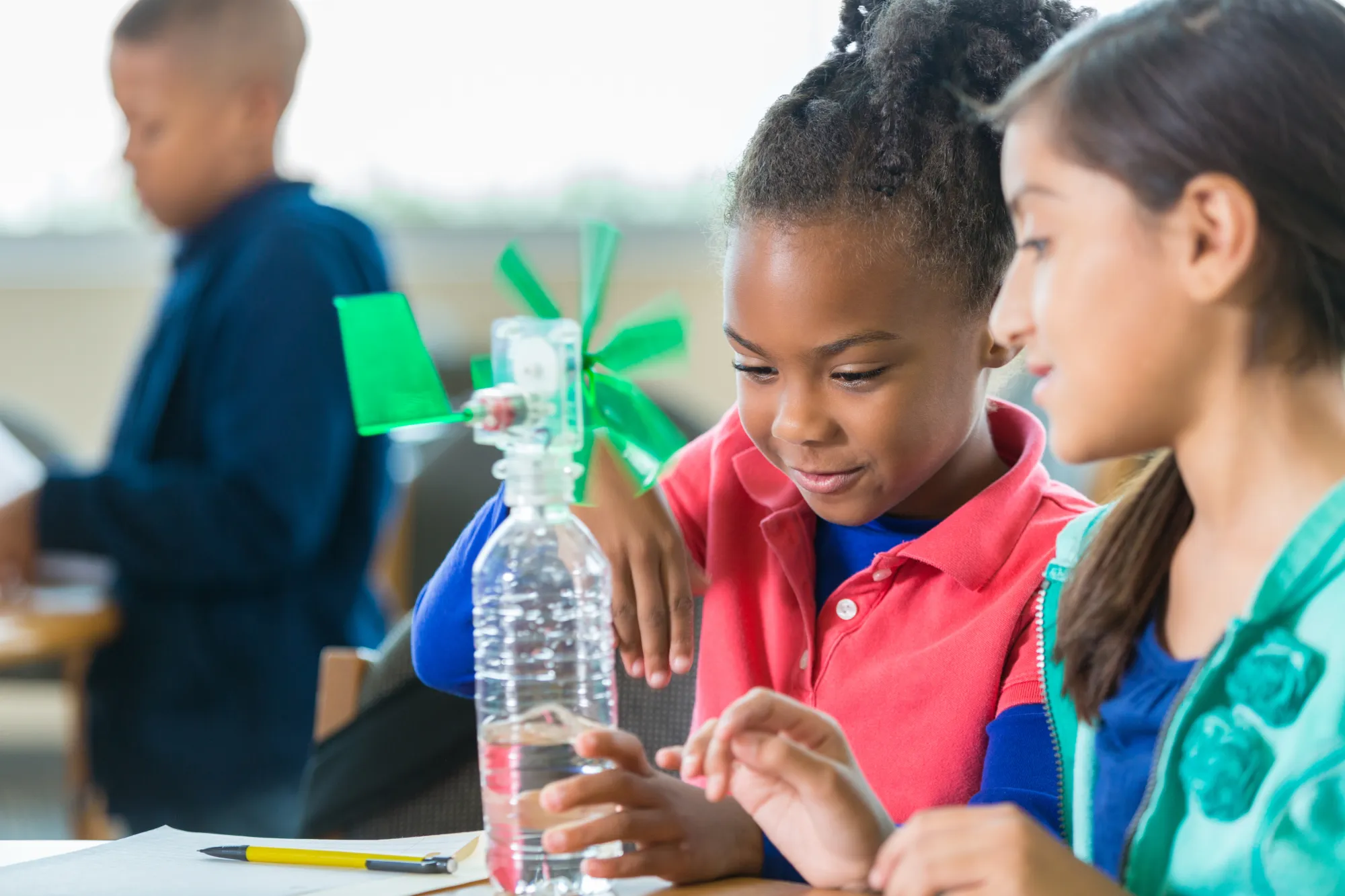
A science teacher in Texas might ask groups to build a simple water filter from cups, gravel, coffee filters, and cotton balls. The room will not look neat for a while. Students will spill, argue, rebuild, and compare results. That messy middle is where learning starts to stick.
The key is structure. Useful noise has a task, a time limit, a product, and a way to reflect. Without those guardrails, group work turns into social time. With them, students learn that participation means contribution, not volume.
Building Active Learning Strategies Around Real-World Problems
After students begin participating, the next step is making the work feel worth doing beyond the gradebook. Real-world learning does not mean every lesson needs a field trip, guest speaker, or costly project. It means students can connect the skill to a situation they recognize. A classroom in Florida, Michigan, or Arizona can bring real life into the lesson through local data, school routines, family decisions, and community questions.
How active learning strategies work through local examples
Active learning strategies gain force when students can point to the world outside the classroom and say, “That happens here.” A math lesson on averages can use school arrival times. A writing lesson can use public signs around town. A health lesson can compare food labels from snacks students see at local stores.
Local examples make abstract work less slippery. Students do not have to pretend they care about a made-up problem involving strangers and random numbers. They can study the traffic pattern near their own school or compare the cost of packing lunch with buying lunch over a month.
This does more than raise interest. It teaches students to read their surroundings with sharper eyes. A student who can analyze a local issue has learned something more durable than a test answer.
Why student interest rises when work has an audience
Student interest changes when the audience changes. A report written only for the teacher can become a box to check. A report written for younger students, families, a school board, or a community group carries a different weight.
A high school environmental science class might create a one-page guide for families on reducing water waste at home. Students must decide what facts matter, what tone will land, and what advice people can act on without feeling judged. The assignment becomes harder, but it also becomes more honest.
Teachers should not fake the audience. Students know when a “public project” will never leave the classroom. A real audience can be small, even one other class down the hall, but it must be real enough for students to feel responsible for the quality of their work.
Making Better Student Interest Last Beyond One Fun Activity
A single exciting lesson can spark attention, but lasting interest comes from pattern. Students need repeated proof that school is a place where their thinking can grow, their choices matter, and their effort leads somewhere visible. Fun helps, but fun alone burns out. The deeper win is building classroom habits that make interest easier to return to each week.
How reflection turns creative learning ideas into growth
Reflection often gets treated like an afterthought, but it is where learning becomes personal. Students need time to name what changed in their thinking, what confused them, and what they would try next. Without reflection, even a strong project can become another activity that ends when the bell rings.
A simple exit note can do the job: “What decision did your group make today that improved the work?” or “Where did your first idea fail, and what replaced it?” These prompts push students to notice their process, not only their final answer.
The unexpected value is confidence. Students who can explain how they improved begin to see ability as something built through action. That belief carries into the next lesson, especially for students who have spent years thinking school is where they get exposed rather than developed.
Why better student interest depends on teacher restraint
Better student interest often depends on what the teacher chooses not to do. Teachers want to help, especially when students struggle, but too much rescuing steals the productive tension that makes learning memorable. The hard part is knowing when to wait.
During a design challenge, a teacher might see a group heading toward a weak solution. Jumping in with the answer would save time, but it would also remove the moment where students learn to test, fail, and adjust. A better move is to ask, “What evidence would tell you whether this works?”
Restraint is not neglect. It is skilled patience. Students need support, but they also need room to wrestle with a problem long enough to feel ownership when the answer finally starts to form.
Creative Learning Ideas should never be treated as decoration for tired lessons. They are a serious way to protect student attention in a school culture full of distractions, pressure, and uneven confidence. The strongest classrooms do not chase entertainment; they design learning so students can see purpose, make choices, test ideas, and speak with growing authority.
Teachers do not need to rebuild every lesson from scratch. Start with one unit, one dull assignment, or one topic students usually resist. Add a real question, a small choice, a visible audience, or a reflection moment that helps students notice their own growth. The next step is clear: choose one upcoming lesson and redesign it so students have a reason to care before they are asked to perform.
Frequently Asked Questions
What are the best creative learning ideas for elementary students?
Hands-on tasks, story-based lessons, learning stations, drawing responses, classroom jobs, and simple building challenges work well for younger students. Children stay interested when they can move, touch materials, talk through ideas, and connect lessons to things they already recognize from home or school.
How can teachers improve student interest without using technology?
Strong questions, real-life examples, small choices, peer discussion, role-play, and student-created work can raise interest without screens. Technology can help, but it cannot replace a lesson that gives students a reason to think, speak, and care about the outcome.
Why do active learning strategies help students pay attention?
Students pay closer attention when they must make decisions, test ideas, explain reasoning, or create something. Active work turns them from listeners into participants, which makes distraction harder and gives the lesson a stronger place in memory.
How can classroom engagement improve in a quiet class?
Quiet classes often need safer entry points, not louder activities. Written warm-ups, partner talk, anonymous questions, and small-group roles help hesitant students join without feeling exposed. Confidence grows when participation feels possible before it feels public.
What creative classroom activities work for middle school students?
Debates, design challenges, choice boards, mock trials, podcast scripts, local problem-solving tasks, and visual projects work well for middle school students. This age group responds strongly when lessons respect their opinions and give them structured independence.
How can student participation increase during group work?
Clear roles, visible deadlines, shared products, and reflection questions make group work stronger. Students participate more when they know exactly what they are responsible for and when the task requires each person to add something the group needs.
What are simple active learning strategies for high school classes?
Case studies, short debates, real-world data analysis, peer teaching, project drafts, Socratic circles, and audience-based writing tasks work well in high school. Older students engage more when lessons feel connected to adult decisions, local issues, or future goals.
How do creative learning ideas support struggling students?
Creative tasks give struggling students more than one way to show understanding. A student who freezes during tests may explain ideas through visuals, discussion, models, or examples. The goal is not making work easier; it is giving students better paths into hard thinking.